
Tennis Elbow Treatment Pakenham
OUTER ELBOW PAIN MAKING IT HARD TO GRIP, LIFT OR WORK?

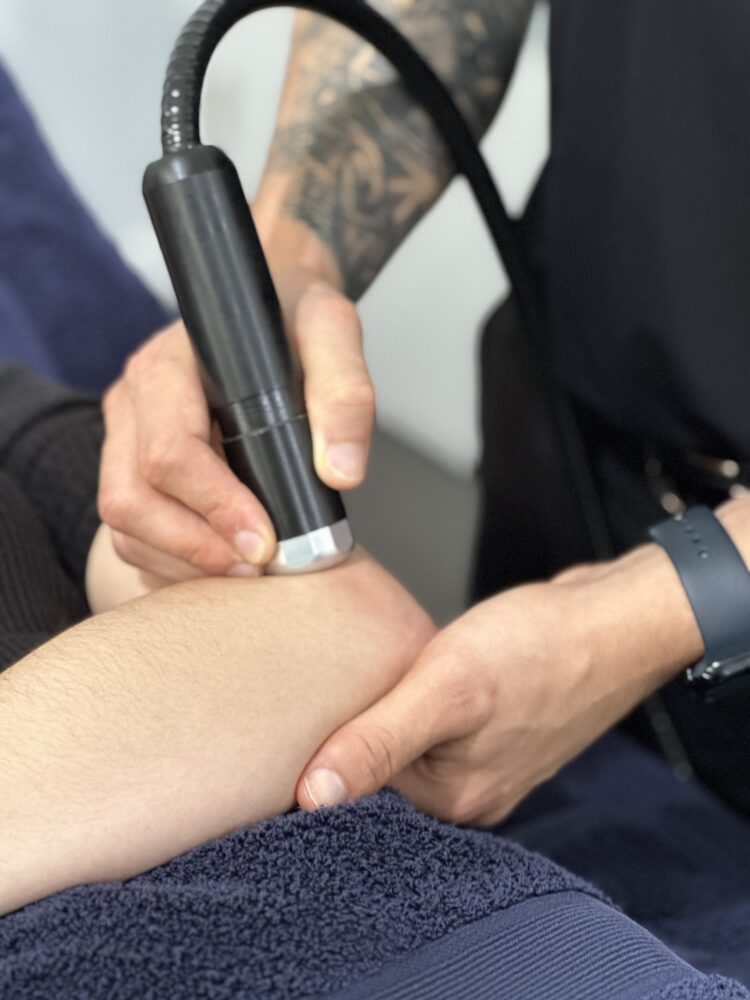
Tennis Elbow Treatment
FED UP WITH ACHING ELBOW?
Tennis elbow can turn simple tasks into daily reminders of your pain. Picking up a kettle, opening a door, using tools, typing or holding a racquet may all aggravate the outside of your elbow.
Despite the name, you do not need to play tennis to develop it. Repeated gripping, lifting and wrist movement at work, in the gym, around the garden or during sport can all place more load on the forearm tendons than they are ready to manage.
At Pakenham Osteopathy, your appointment starts with a detailed history and physical assessment. We look at what brings on your pain, how your elbow and wrist are moving, your grip and the demands you need your arm to handle. From there, your plan may include hands-on osteopathic treatment, progressive exercise and practical advice about work, training or everyday activities.
Choose Your Osteopath
Different people arrive with different demands on their arms. A tradie using tools all day may need a different plan from a desk worker, gardener, gym-goer or racquet-sport player. Call our team and we can help match you with an osteopath suited to your presentation.
I enjoy treating
Grip & Lifting-Related Pain
I enjoy treating
Work & Tool-Related Elbow Pain
I enjoy treating
Tennis & Racquet Injuries
Get Your Elbow Assessed
YOU DO NOT HAVE TO KEEP GUESSING WHICH MOVEMENT TO AVOID OR WHICH EXERCISE TO TRY. CALL 03 5941 4157 OR BOOK A TREATMENT ONLINE FOR A CLEAR ASSESSMENT AND AN INDIVIDUAL MANAGEMENT PLAN.
IS IT REALLY TENNIS ELBOW?
Tennis elbow usually causes pain and tenderness around the bony area on the outside of the elbow. The discomfort may extend into the forearm and often becomes noticeable when gripping, lifting, turning a handle or moving the wrist.
Those signs can point towards lateral elbow tendinopathy, but they are not a diagnosis on their own. Elbow-joint problems, irritation of a nerve, symptoms referred from the neck, or an injury after a fall can feel similar. A proper assessment helps identify what is most likely contributing and whether another health professional or imaging is needed.
Seek medical advice promptly if you have changes in sensation, fingers or an arm that change colour, marked swelling, redness or heat, fever-like symptoms, or pain that is becoming significantly worse.
WHY DOES GRIPPING HURT?
Several muscles that control your wrist and fingers begin near the outside of the elbow. Their tendons help transfer force whenever you grip a tool, carry a bag or steady your wrist.
If the amount or frequency of that work rises faster than the tendon can tolerate, the area can become painful and less capable of handling load. That is why the sore spot may be at your elbow even though wrist and hand movements bring on the pain.
TRIED REST, BUT THE PAIN KEEPS RETURNING?
Reducing an aggravating activity can settle a flare-up, but rest alone does not always prepare the tendon for the same work again. Returning straight to heavy gripping, lifting or training may bring the symptoms back.
A useful plan usually balances short-term load changes with gradual rebuilding. The aim is not to avoid using your arm forever. It is to find a level it can manage now, then increase strength and capacity in measured steps.
DO YOU HAVE QUESTIONS?
Call 5941 4157 to discuss your elbow pain, or book online when you are ready for an assessment.





MORE ON TENNIS ELBOW
UNDERSTANDING LATERAL ELBOW TENDINOPATHY
Tennis elbow is also called lateral elbow tendinopathy or lateral epicondylitis. It affects the tendon attachment near the outside of the elbow and often develops gradually after repeated wrist and forearm use.
Common features include:
- Tenderness around the outside of the elbow
- Pain that can extend into the forearm
- Discomfort with gripping, lifting or twisting
- Reduced grip confidence or strength
- Pain when moving the wrist against resistance
Symptoms vary. Some people first notice a mild ache after activity, while others find the pain begins to interfere with work, sleep, training or everyday tasks. Our article explaining what tennis elbow is provides additional background, but an in-person assessment is needed to understand your own presentation.
WHAT CAN CONTRIBUTE AND WHAT CAN YOU DO ABOUT IT?
Tennis elbow rarely comes down to one movement performed once. The combination of load, repetition, technique, recovery and the current capacity of the tendon is usually more useful to examine.
Repetitive Grip and Workload
Manual tools, lifting, food preparation, painting, gardening and prolonged mouse or keyboard use can all involve repeated wrist and forearm work. Your osteopath may ask about the exact tasks that provoke symptoms, how often you perform them and whether anything recently changed.
Practical management might involve temporary changes to grip, tool position, task duration or rest breaks. These adjustments are intended to reduce unnecessary irritation while you rebuild capacity, not to remove every useful activity from your day.
Sport and Sudden Changes in Training
Racquet sports are one possible trigger, but tennis elbow can also become noticeable after gym training, climbing, throwing or any activity involving repeated grip. A rapid rise in volume or intensity may matter more than the sport itself.
Assessment can consider technique, equipment and training load without assuming any one factor caused the problem. A staged return can then be matched to the movements and forces your activity requires.
Assessment and Treatment Options
Your osteopath will ask about the onset and behaviour of your symptoms, then examine movement, tenderness, strength and relevant areas of the upper limb. The neck or nerve function may also need to be checked when symptoms are unusual or extend beyond the elbow.
For a suitable presentation, care may combine soft-tissue techniques, joint mobilisation, exercise and advice about managing load. Dry needling or shockwave therapy may be considered for some people, but neither is automatically needed. Your osteopath should explain why a technique is being suggested, what to expect and how it fits into the wider plan.
Building Strength and Returning to Activity
Progressive exercise helps the wrist and forearm become more comfortable with load over time. The right starting point depends on your current pain, grip, activity level and how long the problem has been present.
Your plan may begin with manageable wrist or grip work and progress towards heavier or faster tasks. Symptom response helps guide each step. If the pattern does not fit tennis elbow, improvement is not occurring as expected or further investigation is warranted, we can discuss GP review, imaging or another referral.
Do not let persistent elbow pain keep dictating how you work, train or spend your time. Call 03 5941 4157 or book your assessment online.

- 5 Steps to Get The Best Sitting Posture While Working from Home - August 7, 2020
- Home Based Exercise - March 28, 2020
- HOW CAN OSTEOPATHY HELP MY SHOULDER PAIN? - March 3, 2020