
Frozen Shoulder Treatment Pakenham
STRUGGLING TO MOVE YOUR SHOULDER?

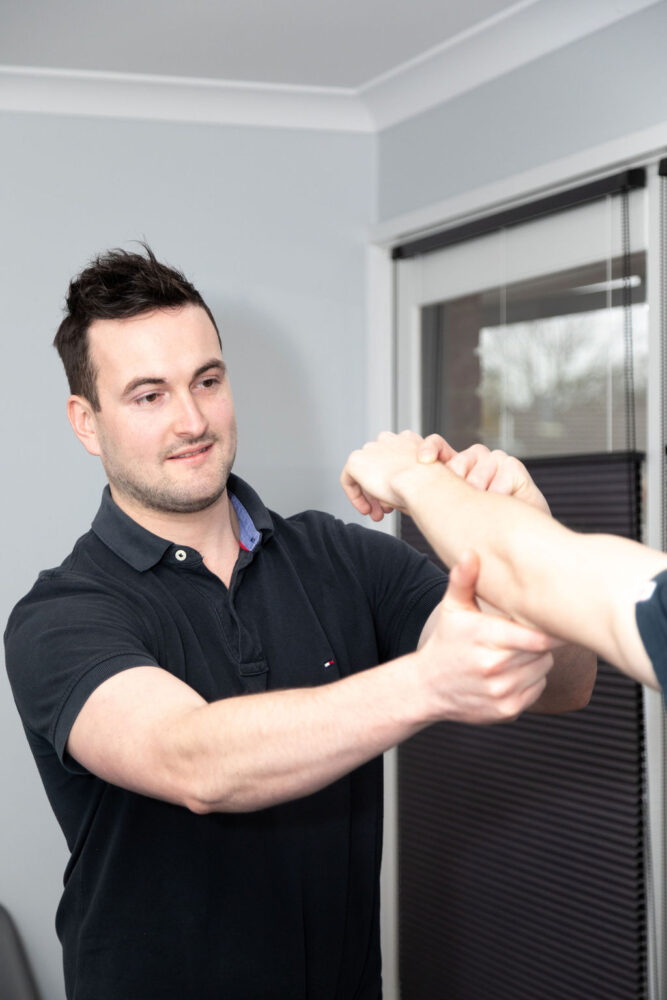
Frozen Shoulder Treatment
CAN’T REACH, SLEEP OR MOVE YOUR ARM LIKE YOU USED TO?
Frozen shoulder, also known as adhesive capsulitis, can cause shoulder pain, stiffness and a major loss of movement. Everyday things like reaching overhead, putting on a jacket, doing up a bra, reaching into the back seat, washing your hair, sleeping on the affected side or lifting your arm away from your body can become difficult.
Frozen shoulder is not just ordinary shoulder tightness. It can involve changes around the shoulder joint capsule, which means the shoulder may not move properly even when someone else tries to move it for you.
If you are searching for frozen shoulder treatment or frozen shoulder treatment near me, Pakenham Osteopathy can assess your shoulder, neck, upper back and overall movement pattern to understand what stage your shoulder may be in and what type of care is appropriate. Treatment for frozen shoulders should be realistic. This condition can take months or longer to settle, so the focus is on clear assessment, symptom management, movement support and a recovery plan that matches your stage.
Choose Your Osteopath
OUR OSTEOPATHS ARE EXPERIENCED IN TREATING FROZEN SHOULDER
I enjoy treating
Mobility Pain
Thoracic Outlet
I enjoy treating
Sports injuries
I enjoy treating
Shoulder Impingement
Decreased Range Of Motion
Don’t Suffer Any Longer
CHOOSE YOUR OSTEOPATH AND BOOK ONLINE OR CALL AND WILL MATCH YOU WITH THE BEST OSTEOPATH TO TREAT YOUR SHOULDERS
IS IT REALLY FROZEN SHOULDER OR JUST A STIFF SHOULDER?
Not every stiff or painful shoulder is frozen shoulder. Shoulder pain can also come from rotator cuff irritation, bursitis, tendon problems, arthritis, neck referral, injury, shoulder instability or postural strain.
Frozen shoulder is usually suspected when the shoulder becomes painful and stiff, and movement is restricted in multiple directions. One key sign is that the shoulder does not move normally even when someone else tries to move it for you.
Common frozen shoulder symptoms may include shoulder pain that feels worse at night, stiffness that slowly increases, trouble reaching overhead or behind the back, pain with sudden movements, difficulty dressing, washing your hair or reaching into cupboards, and a slow recovery pattern over months.
The right diagnosis matters. A rotator cuff problem, bursitis and frozen shoulder can feel similar at times, but they may need different management.
WHY DOES FROZEN SHOULDER TAKE SO LONG TO SETTLE?
Frozen shoulder often progresses through stages. In the early “freezing” stage, pain is usually the main problem and movement gradually becomes harder. In the “frozen” stage, pain may reduce but stiffness remains. In the “thawing” stage, movement slowly starts to return.
Healthdirect describes frozen shoulder as moving through freezing, frozen and thawing stages, and notes that without treatment it may take 1 to 3 years for some people. The NHS also notes that frozen shoulder can take months or years to improve, although pain and stiffness usually ease eventually.
Slow progress does not always mean something is going terribly wrong. It can be part of the pattern. That said, the shoulder still needs the right plan for the stage it is in. What helps during a painful freezing stage may be different from what helps later when stiffness is the bigger issue.
TRIED STRETCHES OR MASSAGE BUT YOUR SHOULDER STILL WON’T LOOSEN?
You may have tried stretching, heat packs, massage, pain relief, YouTube exercises, resting the arm or pushing through the pain. Even with all that effort, the shoulder may still feel stuck.
Frozen shoulder needs careful management. Pushing aggressively into pain can flare symptoms, especially in the painful stage. Doing nothing for months can also leave you feeling frustrated and unsure about how much movement is safe.
At Pakenham Osteopathy, we take a fact-finding approach. Your osteopath may check shoulder range of motion, neck and upper back movement, muscle guarding, daily activities, sleep positions, work demands and previous injuries or medical factors. The goal is to create a clear plan that matches your stage of frozen shoulder, not just hand you generic shoulder stretches.
DO YOU HAVE QUESTIONS?
Call 5941 4157 or talk to us via the chat box to have your questions answered straight away.
We Help People Like You
PEOPLE WHO WANT THEIR SHOULDER MOVING AGAIN






MORE ON FROZEN SHOULDER
WHAT IS HAPPENING INSIDE THE SHOULDER?
The shoulder joint is surrounded by a capsule. In frozen shoulder, this capsule can become irritated, thickened and tight, which limits how far the shoulder can move.
This restriction is different from simple muscle tightness. With frozen shoulder, even assisted shoulder movement can be limited because the joint itself is not moving freely.
That is why rubbing the muscles or forcing the shoulder through pain does not always solve the problem. The shoulder needs care that respects the stage, pain level and current movement available.
WHAT CAN GO WRONG AND WHAT CAN YOU DO ABOUT IT?
The Freezing Stage
This is usually the painful stage. The shoulder may ache, sleep may be disturbed and reaching movements may become increasingly painful. You may feel pain at rest or at night, pain when reaching quickly, increasing stiffness, difficulty sleeping on the affected side, and a tendency to guard the arm close to the body.
Treatment in this stage may focus on pain reduction, gentle movement, sleep-position advice, avoiding aggressive stretching, improving neck and upper back movement, and keeping the shoulder moving within tolerable limits.
The aim is not to force the shoulder through pain. It is to calm symptoms where possible, reduce unnecessary guarding and keep you moving in a way your shoulder can handle.
The Frozen Stage
During the frozen stage, pain may reduce but stiffness is usually the main problem. You may still struggle to reach overhead, behind your back or out to the side.
Care may include gentle hands-on treatment, mobility work, graded shoulder exercises, upper back and rib movement, and practical strategies for daily tasks. Your osteopath may also look at how your shoulder blade, neck and upper back are compensating.
The goal is not to force the shoulder open. It is to support movement gradually and safely, while giving you a plan you can follow without constantly flaring the pain.
The Thawing Stage
The thawing stage is the recovery stage. Shoulder movement slowly improves, but some people still feel weak, guarded or unsure about using the arm normally again.
Treatment may focus on rebuilding shoulder strength, improving range of motion, restoring confidence and gradually returning to work, gym, sport or household tasks.
This is often where a more active plan becomes useful. As the shoulder becomes less irritable, exercises can usually be progressed to help the arm feel stronger and more dependable.
Neck, Upper Back and Shoulder Blade Movement
When the shoulder becomes stiff, the neck, upper back and shoulder blade often compensate. You might start shrugging to lift the arm, twisting through the upper back, or avoiding normal movement without realising it.
This can create extra tightness or discomfort around the neck, shoulder blade, ribs and upper arm. Sometimes the shoulder is the main issue, but the surrounding areas still need attention because they have been working harder for months.
An osteopath may assess these areas as part of the broader plan, rather than only treating the shoulder joint.
Exercises for Frozen Shoulder
Exercises should match the stage and irritability of the shoulder. Early on, gentle movements may be more suitable. Later, mobility and strengthening can be progressed as symptoms allow.
Examples may include pendulum movements, assisted range exercises, wall walks, external rotation work and strengthening. These should be prescribed based on assessment, not copied from a random video and pushed through sharp pain.
Your osteopath can show you what to do, how hard to push, and when to ease off. That guidance matters when the shoulder is sensitive.
WHEN SHOULD YOU GET SHOULDER STIFFNESS CHECKED?
You should book an assessment if shoulder stiffness is getting worse, pain is disturbing your sleep, you cannot reach overhead or behind your back, symptoms have lasted more than a few weeks, or your shoulder is limiting work, exercise or daily tasks.
It is also worth getting checked if the shoulder feels like it is becoming more restricted each week. Early guidance may help you avoid pushing too hard, resting too much, or following advice that does not suit your stage.
Seek medical advice promptly if shoulder pain follows a major injury, your arm is very weak, you have numbness or tingling, chest pain, shortness of breath, fever, unexplained weight loss, severe night pain, or sudden inability to move the arm.
HOW LONG DOES FROZEN SHOULDER RECOVERY TAKE?
Frozen shoulder often improves slowly. Some people recover faster than others, but it can take many months and sometimes longer. The NHS notes frozen shoulder can take months or years to get better, although pain and stiffness usually improve eventually.
Recovery can depend on the stage of the condition, pain level, sleep, diabetes or other health conditions, activity demands, previous shoulder injury, exercise consistency and how the shoulder responds to treatment.
A realistic plan helps you know what to expect. Your osteopath can explain what stage your shoulder appears to be in, what type of treatment may be suitable and how to manage movement without constantly flaring symptoms.
Don’t keep waiting for your shoulder to magically unfreeze while daily tasks get harder. Book a treatment and get a clear plan for your frozen shoulder.

- 5 Steps to Get The Best Sitting Posture While Working from Home - August 7, 2020
- Home Based Exercise - March 28, 2020
- HOW CAN OSTEOPATHY HELP MY SHOULDER PAIN? - March 3, 2020