
Plantar Fasciitis Treatment Pakenham
WANT HELP WITH HEEL PAIN?

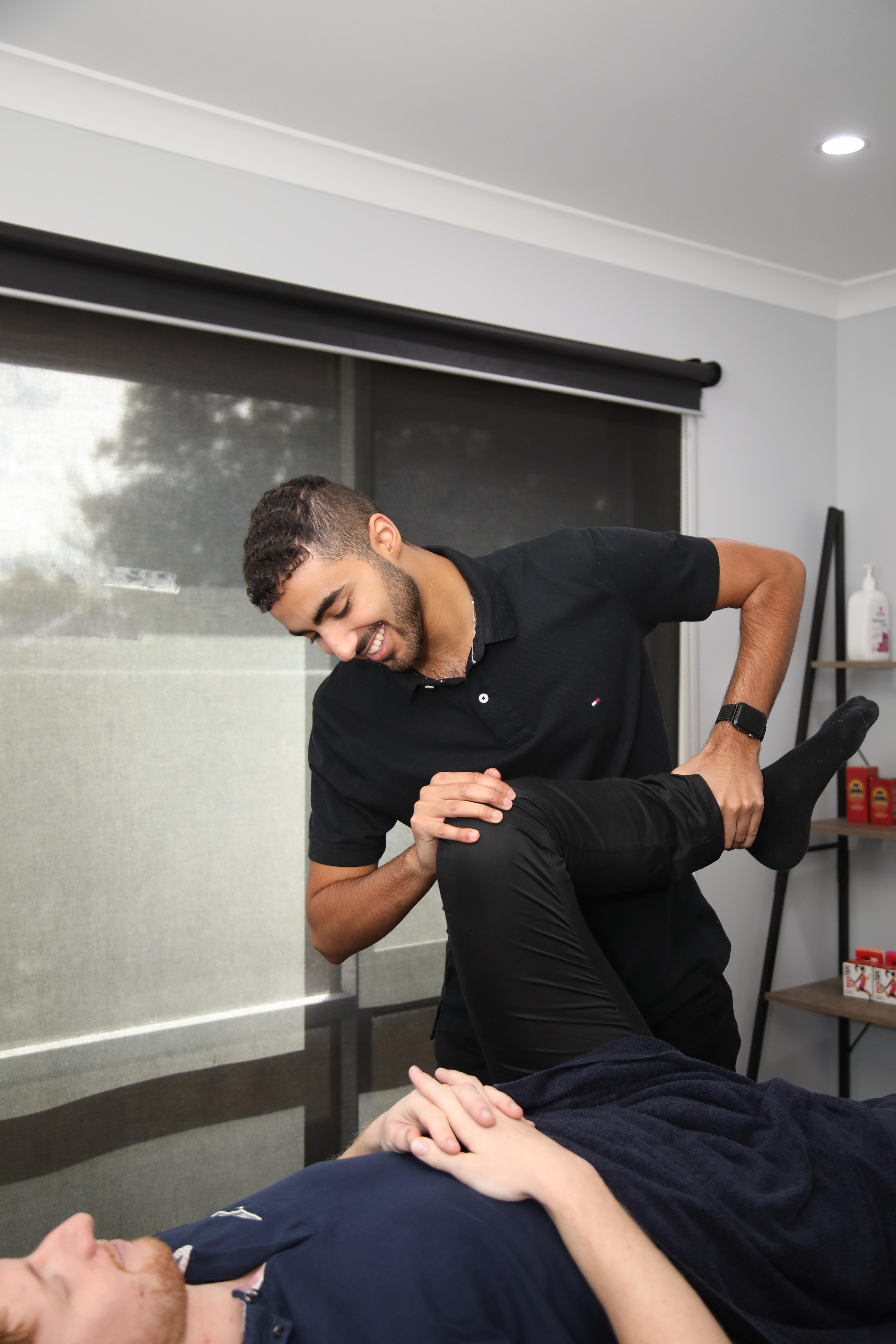
Plantar Fasciitis Treatment
FED UP WITH SORE HEELS FIRST THING IN THE MORNING?
Plantar fasciitis is one of the most common causes of heel pain. It often feels worst during the first few steps in the morning, after sitting for a while, after long days on your feet, or after exercise.
It can affect walkers, runners, tradies, retail workers, teachers, parents, gym-goers and anyone who spends a lot of time standing. If you have been searching for plantar fasciitis treatment near me, you are probably tired of limping through the first part of the day and hoping it settles.
The cause is not always as simple as “the foot is inflamed”. Heel pain may involve load through the plantar fascia, calf tightness, foot strength, footwear, training changes, walking or running mechanics, ankle mobility and time spent on hard surfaces. At Pakenham Osteopathy, we assess the foot, ankle, calf, knee, hip and overall movement pattern to understand what may be contributing to your pain. Your plantar fasciitis treatment may also involve shock wave therapy where appropriate, along with a clear plan to reduce pain, improve load tolerance and help you get back to walking, work and activity.
Choose Your Osteopath
OUR OSTEOPATHS ARE EXPERIENCED IN TREATING PLANTAR FASCIITIS
I enjoy treating
I enjoy treating
I enjoy treating
Don’t Suffer Any Longer
CHOOSE YOUR OSTEOPATH AND BOOK ONLINE OR CALL AND WILL MATCH YOU WITH THE BEST OSTEOPATH TO TREAT YOUR HEELS
IS MY HEEL PAIN ACTUALLY PLANTAR FASCIITIS?
Many people assume every sore heel is plantar fasciitis, but heel pain can come from several different places. Achilles tendon issues, heel fat pad irritation, nerve irritation, stress injury, calf tightness, ankle restriction, footwear changes or referred pain can all create pain around the heel or foot.
Plantar fasciitis symptoms often include pain under the heel, pain through the arch of the foot, and sharp discomfort during the first steps in the morning. You may also notice pain after rest, pain after standing or walking for a long time, or symptoms that warm up slightly before returning later in the day.
Getting the diagnosis right matters. Different causes of heel pain need different management. Your osteopath will assess the painful area, but they will also look at how your foot, ankle, calf and lower limb are working together.
SHOULD I BE WORRIED IF MY HEEL PAIN KEEPS COMING BACK?
Recurring heel pain often means the plantar fascia is not tolerating the load being placed on it. You may feel better after a few days of rest, then flare again as soon as you return to walking, running, sport, work or standing for long periods.
There can be several reasons for this. A sudden increase in walking or running, new shoes, unsupportive footwear, hard floors, long standing hours, tight calves, reduced ankle mobility, weak foot or calf muscles, training errors, weight gain or changes in activity can all play a role.
Heel pain can be frustrating, especially when it keeps returning just as you think it has settled. The right assessment and load-management plan can make a big difference. The aim is to work out what is overloading the foot and what needs to change, rather than simply resting every time it flares.
HAVE YOU TRIED PLANTAR FASCIITIS TREATMENT BUT NOTHING SEEMS TO WORK?
You may have tried resting, stretching, rolling your foot on a ball, buying new shoes, wearing orthotics, massaging the arch, taking anti-inflammatories or following online exercises. Some of these things may help for a while, but the pain can still come back when you spend more time on your feet.
At Pakenham Osteopathy, we take a fact-finding approach. We assess your heel pain, look at your foot and ankle, check calf and lower limb function, and ask about your work, sport, training and daily standing load. Then we build a treatment plan around what we find.
Pakenham Osteopathy offers Radial Shockwave Therapy, which may be used for chronic plantar fascia pain where appropriate. Shockwave therapy may be part of the plan, but it is not the only option and it is not a guaranteed cure. Your care may also include hands-on treatment, loading exercises, mobility work, footwear advice and changes to activity while the area settles.
DO YOU HAVE QUESTIONS?
Call 5941 4157 or talk to us via the chat box to have your questions answered straight away.
We Help People Like You
PEOPLE WHO NEED ANSWERS AND WANT RESULTS


MORE ON PLANTAR FASCIITIS
ANATOMY
The plantar fascia is a strong band of connective tissue that runs along the bottom of the foot from the heel towards the toes. It helps support the arch and plays a role in absorbing and transferring load when you walk, run and stand.
Every step places load through the foot. When that load becomes too much for the plantar fascia to tolerate, pain can develop near the heel or through the arch.
This is why plantar fasciitis is often not just about one sore spot. Your foot has to deal with your body weight, your footwear, your walking or running pattern, your calf strength and the amount of time you spend standing each day.
WHAT CAN GO WRONG AND WHAT CAN YOU DO ABOUT IT?
Plantar Fascia Overload
Plantar fasciitis is often linked to overload rather than one single incident. It can happen when activity increases too quickly, standing time increases, footwear changes, or the foot and calf are not strong enough for the load being placed on them.
Common symptoms include pain under the heel, pain with the first steps in the morning, pain after sitting, pain after long walks or long shifts, and tenderness through the heel or arch.
Treatment may include hands-on care, calf and foot mobility work, loading exercises, footwear advice, activity modification and a gradual return to walking, running or sport. The plan should match your pain, your work demands and what you need to get back to doing.
Calf Tightness and Ankle Mobility
Tight calf muscles or reduced ankle mobility can increase strain through the foot and plantar fascia. If the ankle does not move well, the foot may have to absorb more stress during walking, running, stairs or long periods standing.
Your osteopath may assess calf flexibility, ankle movement, foot mechanics and how the lower limb is sharing load. Sometimes heel pain is made worse because one area is doing more work than it should.
Treatment may include soft tissue work, stretching, mobility drills and strengthening exercises. The goal is to improve how the lower leg and foot handle load, not just loosen the calf for a few hours.
Foot Strength and Load Tolerance
The foot has small muscles that help support the arch and control movement. If these muscles are not doing enough, or if the calf is not strong enough, the plantar fascia may take more strain than it can comfortably handle.
A rehab plan may include calf raises, foot strengthening, balance work, gradual loading and exercises matched to your daily activity. A tradie who stands all day may need a different plan to a runner, teacher, retail worker or someone returning to gym training.
This does not mean everyone needs complex rehab. It means the exercises should be useful, realistic and matched to what your foot needs to tolerate.
Footwear and Daily Load
Footwear can make a difference, especially if you stand on hard floors, work long shifts, walk a lot or exercise regularly. Very flat, worn-out or unsupportive shoes may aggravate symptoms for some people.
Others flare when they suddenly switch footwear, increase barefoot time too quickly, change running shoes or spend more time in casual shoes with little support. The foot may need time to adapt.
Your osteopath can provide general footwear guidance and help you understand whether your shoes may be contributing to your symptoms. If you need orthotics or more specific foot support, referral to a podiatrist may be recommended.
Shockwave Therapy for Plantar Fasciitis
Shockwave therapy uses sound-wave pulses applied through a handheld device. Pakenham Osteopathy’s Shockwave Therapy page describes it as a handheld device pressed against the skin that emits sound waves into injured tissue.
Shockwave therapy is often considered for persistent plantar fasciitis or plantar heel pain that has not settled with basic care. It may be used when heel pain has become more chronic and the area needs a more structured treatment approach.
Research is still mixed. A Cochrane review found there is uncertainty around how much benefit shockwave provides for plantar heel pain, so it should not be presented as a miracle fix. At Pakenham Osteopathy, shockwave therapy may be used alongside load management, strengthening, mobility work and footwear advice when your osteopath feels it is suitable.
HOW LONG DOES PLANTAR FASCIITIS TAKE TO IMPROVE?
Plantar fasciitis can be slow to settle because the plantar fascia is loaded every time you stand, walk or climb stairs. Even when you are trying to rest it, normal life keeps placing pressure through the foot.
Some people improve in weeks. Longer-standing cases may take months and need a more structured plan. The timeline depends on how long symptoms have been present, your work and standing demands, walking or running load, footwear, calf and foot strength, and whether aggravating habits can be modified.
Consistency matters too. Treatment can help, but the day-to-day plan often makes a big difference. Your osteopath will explain what to do, what to avoid where possible, and how to gradually build your foot’s tolerance again.
WHEN SHOULD YOU GET HEEL PAIN CHECKED?
You should book an assessment if your heel pain has lasted more than a couple of weeks, is getting worse, affects your walking, keeps returning, or is stopping you from working, exercising or doing normal daily activities.
It is also worth getting checked if you keep changing how you walk to avoid the pain. Limping can place extra strain on the foot, ankle, knee, hip or lower back.
Seek medical advice quickly if you have severe pain after an injury, cannot bear weight, have significant swelling, numbness, unexplained night pain, fever, diabetes-related foot concerns, or sudden severe pain.
Don’t keep putting up with painful first steps, sore heels or flare-ups that return every time you get active. Book a treatment and get a clear plan for your plantar fasciitis.

- 5 Steps to Get The Best Sitting Posture While Working from Home - August 7, 2020
- Home Based Exercise - March 28, 2020
- HOW CAN OSTEOPATHY HELP MY SHOULDER PAIN? - March 3, 2020