
Jaw Pain and TMJ Treatment Pakenham
WANT HELP WITH JAW PAIN?
Pakenham Osteopathy is a local option for people dealing with jaw pain, TMJ dysfunction, clicking, tightness or restricted jaw movement.
Book an assessment for jaw pain treatment or TMJ treatment Pakenham, so our team can identify what may be contributing to your symptoms and develop a personalised management plan.

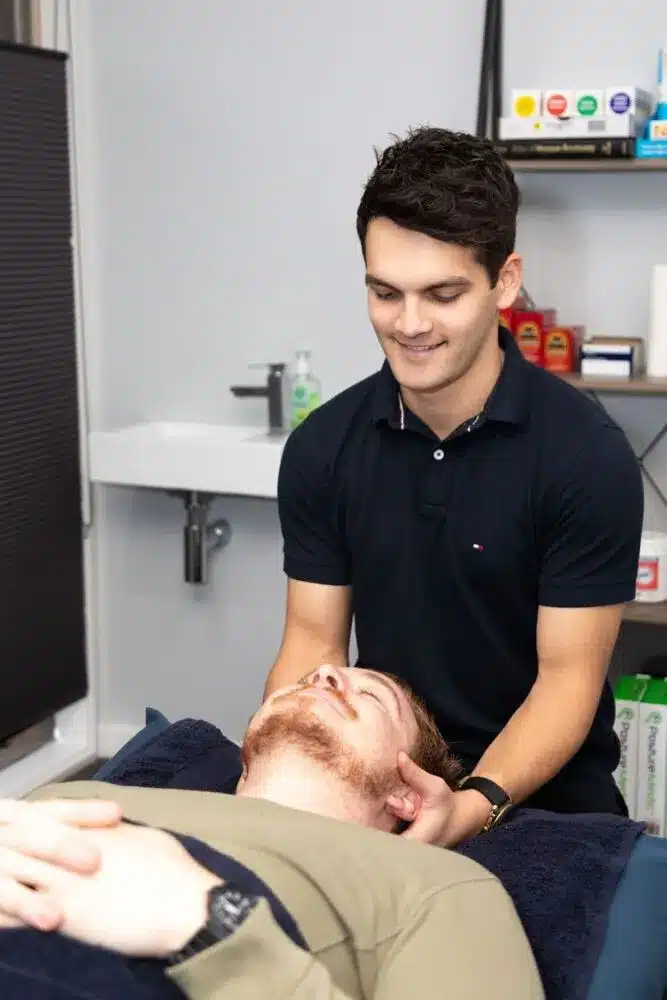
Osteopathic Care for Jaw Pain and TMJ Dysfunction
FED UP WITH ACHING JAWS?
The temporomandibular joints sit just in front of your ears. These joints allow your jaw to open, close and move when you talk, chew, yawn or move mouth side to side.
Jaw pain is not always caused by one isolated problem. Symptoms may involve the joint itself, the muscles used for chewing, the surrounding soft tissues, or tension through the neck and upper back that can contribute to how the jaw feels and moves.
Common symptoms include pain or tenderness around the jaw, aching near the ear or temple, clicking, popping or grating, tight or tired jaw muscles, difficulty opening the mouth fully, a jaw that feels temporarily stuck or locked, pain when chewing, and headaches associated with jaw tension.
At Pakenham Osteopathy, we do not assume every person with jaw pain has the same cause. A TMJ osteopath will assess your symptoms, jaw movement and related areas before recommending jaw pain treatment Pakenham patients can understand and follow.
Choose Your Osteopath
OUR OSTEOPATHS ARE EXPERIENCED IN TREATING JAW PAIN AND TMJ DYSFUNCTION
I enjoy treating
TMJ Dysfunction
Neck & Jaw Tension
I enjoy treating
Jaw Complaints
Headaches & Facial Tension
I enjoy treating
Don’t Suffer Any Longer
CHOOSE YOUR OSTEOPATH AND BOOK ONLINE OR CALL AND WILL MATCH YOU WITH THE BEST OSTEOPATH TO TREAT YOUR JAWS
WHAT CAN CAUSE JAW PAIN AND TMJ PROBLEMS?
Jaw clenching and teeth grinding can place extra load on the jaw joints and the muscles used for chewing. This may happen during sleep, while concentrating, during busy work periods, or when stress levels are higher than usual.
Repeated muscle activity can contribute to tired, tight or painful jaw muscles. Over time, some people may notice morning jaw stiffness, temple tension, aching near the ear, or soreness after chewing.
Local joint and mechanical factors may also play a role. This can include a previous jaw, head or neck injury, restricted or altered jaw movement, joint irritation, muscle tension around the jaw and face, repetitive chewing habits, or changes in how the jaw moves.
Neck and upper-back tension may be relevant for some people because the jaw, head and neck work together during everyday movement. This does not mean posture or neck tension is always the cause, but it may be part of the picture.
Dental issues can also cause or contribute to jaw symptoms. Tooth pain, damaged teeth, bite changes or significant grinding-related tooth wear may need assessment by a dentist, either instead of osteopathic treatment or alongside it.
HOW OSTEOPATHY MAY HELP WITH TMJ AND JAW PAIN?
Osteopathic care for TMJ treatment starts with assessment. Your osteopath may look at jaw movement and opening, muscles involved in chewing, tender or restricted areas around the jaw, neck movement, upper-back movement, relevant posture and movement patterns, previous injuries and habits that may be contributing to your symptoms.
Treatment is personalised according to what is found during your assessment. Some people need care focused around the jaw muscles. Others may need treatment that also considers the neck, upper back, shoulders or movement habits.
Techniques may include soft-tissue massage, gentle joint mobilisation, muscle energy techniques, stretching, treatment of the neck and upper back where relevant, dry needling where appropriate, and exercises or movement advice.
Some techniques may focus directly on the muscles around the jaw. Others may address related tension or movement restrictions elsewhere. The aim is not to permanently reposition your jaw, correct every bite issue or promise a cure. It is to support better movement, reduce strain where possible, and give you a plan matched to your symptoms.
YOUR JAW PAIN ASSESSMENT AND PERSONALISED RECOVERY PLAN
Your first appointment begins with a discussion about your symptoms. Your osteopath may ask when the jaw pain started, what aggravates it, whether you notice clicking or locking, and whether you have a history of jaw, head or neck injury.
They may also ask about headaches, neck symptoms, teeth grinding or clenching, sleep patterns, chewing habits and any dental treatment that may be relevant. These details help build a clearer picture of what may be contributing to your jaw pain.
The physical assessment may consider jaw opening and closing, movement symmetry, muscle tenderness, neck mobility and other relevant musculoskeletal findings. Your osteopath will then explain what they find in plain English and discuss a personalised management plan.
Your plan may include hands-on treatment, exercises, advice about aggravating activities, and recommendations for other healthcare providers where appropriate. Dental referral or collaboration may be suitable if there are signs of tooth damage, significant bruxism, bite-related problems, or the possible need for an occlusal splint or mouthguard.
Pakenham Osteopathy is located at 46 Main Street, Pakenham. Established in 2004, our clinic has a team of osteopaths with extensive combined clinical experience, personalised treatment plans, and a focus on matching patients with an osteopath experienced in their condition. Book online or call 5941 4157.
DO YOU HAVE QUESTIONS?
Call 5941 4157 or talk to us via the chat box to have your questions answered straight away.





Understanding Jaw Pain and TMJ Dysfunction
What is the Temporomandibular Joint?
The temporomandibular joint, commonly shortened to TMJ, is located on each side of the jaw in front of the ear. It connects the lower jaw to the skull.
This joint works with muscles, ligaments and other structures to allow the movements needed for chewing, speaking and yawning. TMJ refers to the joint itself, while TMD or TMJ dysfunction describes problems affecting the joint or surrounding jaw muscles.
Jaw Clicking and Popping?
Clicking or popping can occur when the structures inside the jaw joint do not move smoothly. Some people notice a click when chewing, yawning or opening wide.
Clicking without pain does not automatically mean treatment is required. Clicking combined with pain, restricted movement or locking is worth assessing properly. Joint noises alone do not always mean there is serious damage.
Jaw Clenching and Teeth Grinding
Clenching and grinding can happen during the day or while sleeping. Some people know they do it. Others only realise after a dentist notices signs of tooth wear or they wake with jaw soreness.
Possible signs include sore or tired jaw muscles, morning jaw stiffness, headaches, tooth sensitivity, tooth wear or damage, and pain around the temples.
Osteopathic care may focus on associated muscle and movement symptoms. Dental assessment is important where the teeth are being damaged, grinding is significant, or a protective splint may be required.
TMJ-Related Headaches and Neck Tension
Some people with TMJ dysfunction also experience headaches, facial tension or neck discomfort. The muscles involved in chewing and jaw control interact with other muscles around the head and neck, so assessment may consider more than the jaw alone.
This does not mean all headaches are caused by TMJ dysfunction. Headaches can have many causes, and some need medical review. Your osteopath will consider your symptoms carefully and refer where needed.
When Should Jaw Pain Be Assessed?
Assessment may be appropriate when jaw symptoms are persistent, recurrent or interfering with eating, talking, sleeping or normal mouth opening.
Relevant signs include ongoing pain, repeated locking, significantly reduced opening, painful chewing, or symptoms that are becoming more frequent.
Urgent medical assessment may be appropriate if jaw symptoms occur alongside significant trauma, difficulty eating or drinking, marked swelling, neurological or vision symptoms, or severe unexplained headaches.
Should I See an Osteopath, Dentist or GP for TMJ Pain?
The right practitioner depends on your symptoms and the likely cause. An osteopath may assist with musculoskeletal contributors such as jaw muscle tension, movement restriction and associated neck or upper-back issues.
A dentist may be particularly appropriate for tooth damage, bite concerns, suspected grinding-related dental problems or mouthguard assessment.
A GP or other medical practitioner may be needed for unexplained severe pain, inflammatory conditions, neurological symptoms or symptoms requiring medical investigation.
Sometimes collaborative care is the most appropriate approach. Your osteopath can help you understand what may be musculoskeletal and when another practitioner should be involved.

- 5 Steps to Get The Best Sitting Posture While Working from Home - August 7, 2020
- Home Based Exercise - March 28, 2020
- HOW CAN OSTEOPATHY HELP MY SHOULDER PAIN? - March 3, 2020