
Sacroiliac joint pain treatment in Pakenham
Therapy targeting the gluteal, hip abductor, and core musculature

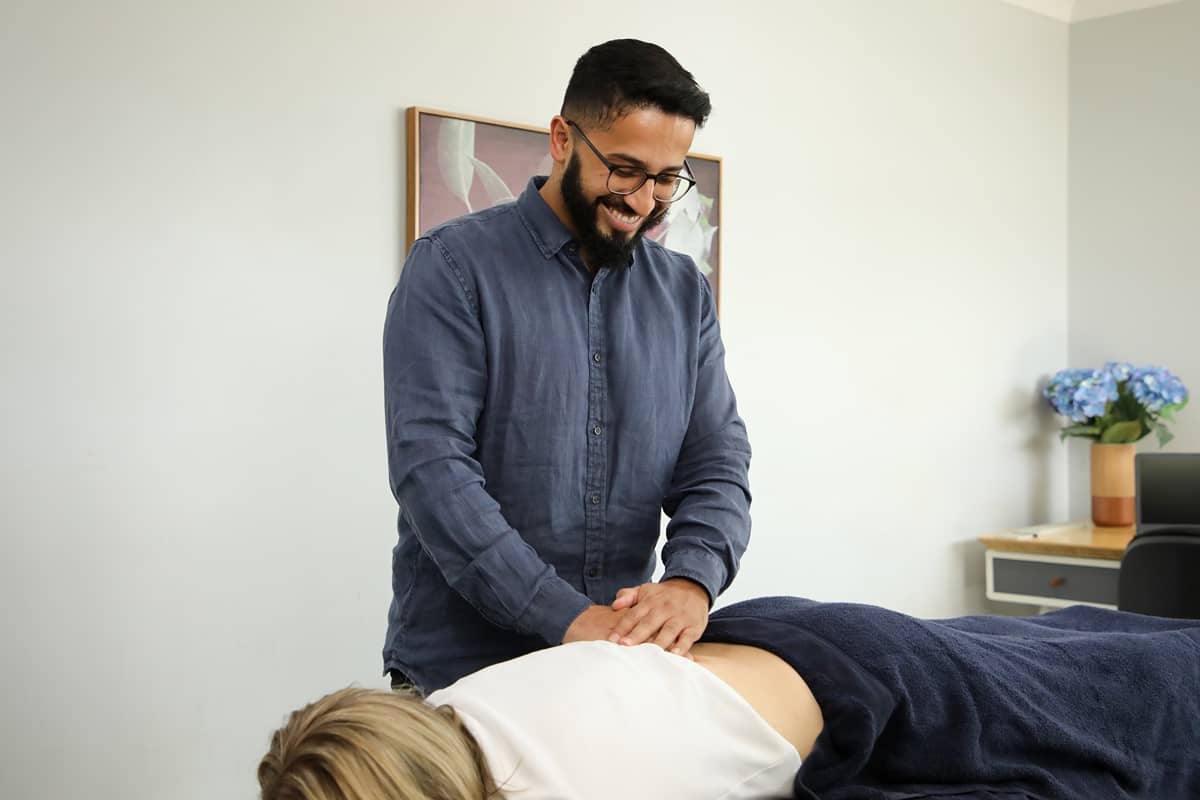
Is it my sacroiliac joint, my back or my hip?
Start with the movement that bothers you.
You might feel a catch as you turn over in bed, then manage your morning walk quite comfortably. Or the ache might build on one side of your buttock each time you climb the stairs. The sacroiliac joint, often shortened to SI joint or SIJ, is one possible source. The lower back and hip can cause pain in a similar area.
At Pakenham Osteopathy, we can look at those areas together. Tell us what you’d like to do more comfortably, even if you’re not sure what to call the pain.
Pelvic joint pain is common during and after pregnancy, and prenatal and postnatal osteopathy offers gentle, safe care.
Pain in the buttock and outer hip can be mistaken for sacroiliac pain, but gluteal tendinopathy is another common cause we assess for.
Choose someone to talk it through with
Meet our osteopaths. You can book an assessment without having a diagnosis or knowing which joint is involved.
I enjoy treating
I enjoy treating
I enjoy treating
Arrange a pelvic or lower back assessment
Find a time online or call 03 5941 4157 for help choosing an appointment.
Why can standing on one leg feel so different?
Pulling on trousers, stepping into the car and climbing a stair all briefly shift your weight onto one leg. If that’s when you notice the pain, tell us which side takes your weight and where you feel it. Those details can guide the examination. The movement by itself doesn’t tell us that your SI joint is the source.
Long periods of sitting can aggravate the joint, so small changes to your posture and ergonomics can reduce flare-ups.
Does a painful click mean my pelvis is out of place?
A click doesn’t establish that a bone has moved out of position or needs putting back. The SI joints normally move very little. What matters more is whether a movement hurts, whether that pain is changing and what it stops you doing. You don’t need to make the joint click again to show us what happened.
Because the hip and pelvis work closely together, we also assess for hip pain when the sacroiliac area is sore.
What if there’s tingling down my leg?
Pain around the buttock can overlap with pain coming from the lower back. Tell your clinician about any pain travelling down the leg, pins and needles, numbness or weakness. Go to an emergency department immediately for new numbness around the genitals or anus, new difficulty passing or controlling urine or stools, or rapidly worsening leg weakness. Don’t wait for a clinic appointment.
Need to talk about a routine visit?
Call us on 03 5941 4157 for appointment questions or find the clinic at 46 Main Street, Pakenham.
What would make the biggest difference to your day?
PEOPLE WHO NEED ANSWERS AND WANT RESULTS


Can one test confirm SI joint pain?
An online test that reproduces your pain can’t reliably distinguish the SI joint from the structures around it. A clinician considers your history, checks your back and hips and may use several gentle pressure tests to see whether they bring on your familiar symptoms. Those findings make some explanations more likely than others. If the pattern doesn’t fit, or if symptoms suggest an illness or injury that needs investigation, the next step may be a GP appointment rather than hands-on treatment.
Where the sacroiliac joints sit
There are two SI joints. Each is where one side of your pelvis meets the sacrum, the wedge of bone at the base of your spine. The joints help transfer weight between your upper body and your legs. You can often point to the area with one finger, just below the belt line and slightly off to one side. Pointing there is useful information for your osteopath, although several nearby structures can make the same spot feel sore.
How the pattern changes the conversation
A sharp pain after a fall calls for different questions from an ache that gradually appeared during longer shifts. We’ll ask when you notice it, what relieves it and what happens when you move after sitting. Persistent morning stiffness, pain that regularly wakes you and improves once you get moving, or a history of psoriasis or inflammatory bowel disease are worth discussing with your GP. Sometimes inflammation rather than a simple movement-related problem needs investigation. If you have back or pelvic pain with fever or feel unwell, seek medical advice promptly.
Looking beyond the spot that hurts
Your assessment may include watching you rise from a chair, examining how the hip turns and checking whether movements of the lower back change the pain. If you describe altered sensation or weakness, your clinician may also check nerve function. It’s useful to know if you feel groin pain when putting on a shoe or if the discomfort travels below the knee when you sit. Neither detail settles the diagnosis, but each can change what we examine next. Our lower back pain page explains more about related symptoms.
Making an awkward task easier
Choose one task that’s difficult now. If dressing on one leg is uncomfortable, sitting down to put on your shoes may make the morning easier while you work on standing tolerance. If a long car trip brings on an ache, consider whether a break to walk is more comfortable than staying in one position. These are ways to manage a particular task, not rules about the way you must sit, stand or sleep. You and your osteopath can review whether an adjustment is still useful as things change.
What treatment may involve
Depending on what we find, care may include advice on activity, exercises for strength and control around the hips and trunk, or hands-on treatment for comfort and movement. You can ask what each option is intended to help with and choose what feels appropriate for you. An exercise should have a purpose: for example, building the strength to step up onto a bus more comfortably. If the pain keeps worsening, new symptoms appear or the plan isn’t helping, it’s time to reconsider the explanation and whether medical review would be useful.
Start with the problem you want help with
You don’t need to decide between hip pain, back pain and SI joint pain before you ask for help. If everyday movements are getting harder, book an assessment in Pakenham. Bring any relevant reports you already have and tell us what you most want to get back to doing. That’s a useful place to start, whether or not the SI joint turns out to be involved.

- 5 Steps to Get The Best Sitting Posture While Working from Home - August 7, 2020
- Home Based Exercise - March 28, 2020
- HOW CAN OSTEOPATHY HELP MY SHOULDER PAIN? - March 3, 2020