
Ankle pain and sprain treatment in Pakenham
Alleviate Discomfort, Enhance Movement

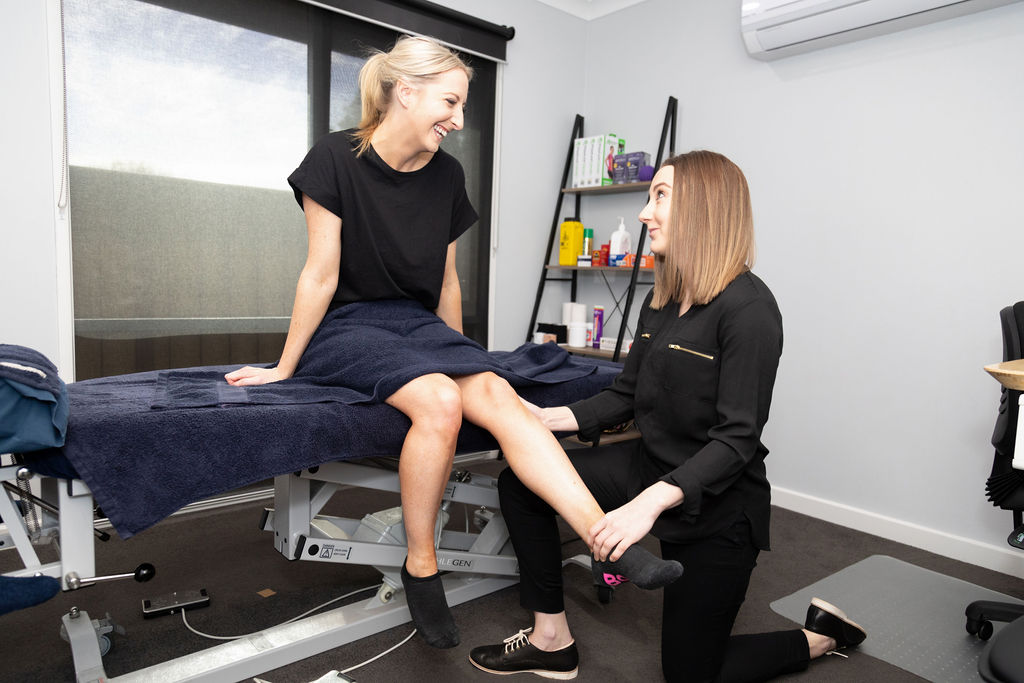
What should you do after rolling your ankle?
Start with what happened and what you can do now.
Perhaps you missed the last step and felt your foot turn under you. Or perhaps the sprain was weeks ago: you can walk to work, but the ankle still gives way on gravel. Those are different problems, and the advice for one may not suit the other.
If you can’t bear weight after an injury, or it hurts sharply over a bone, seek medical assessment today. If the ankle looks out of shape or your foot is cold or numb after the injury, go to an emergency department.
For an ankle that is sore, stiff or unreliable, an osteopath can assess your movement and help you plan how to get back to the things you need to do.
Hands-on osteopathy can restore ankle movement and help the foot, knee and hip share load properly again.
Find an osteopath for your ankle
Meet the Pakenham team before choosing an appointment.
I enjoy treating
I enjoy treating
I enjoy treating
Book an ankle assessment
See available appointments or call 03 5941 4157 if you’d like help choosing an osteopath.
Does the bruising tell me how bad it is?
A deep purple bruise is hard to ignore, but its colour won’t tell you whether a ligament is stretched, torn or sitting beside a broken bone. Where it hurts, whether you could walk just after the injury and what has changed since are more useful details. Don’t try to prove the ankle is fine by hopping on it.
Netballers, footballers and runners can follow a tailored sport injury treatment plan to get back to training safely.
I can walk on the flat. Why do stairs still hurt?
Walking along a corridor and coming down a step ask different things of your ankle. On the way down, your knee travels forwards over your foot while your calf controls the movement. If swelling or stiffness limits that movement, the stairs may still feel awkward. Mention which direction is harder; it gives us something specific to check.
Repeated sprains can leave a joint stiff and sore over time, and our care for arthritis pain focuses on keeping you moving comfortably.
Why does my ankle keep giving way?
You may trust the ankle in your work shoes but hesitate when the ground slopes away or another player steps into your path. Once the swelling settles, balance and the ability to react to a sudden change of direction may still need work. Repeated buckling deserves a fresh assessment, even if each episode settles quickly.
Unsure what to bring?
Call 03 5941 4157. If you’ve already had an X-ray or been given instructions about a boot, bring the report or instructions with you.
Your first visit on Main Street
PEOPLE WHO NEED ANSWERS AND WANT RESULTS




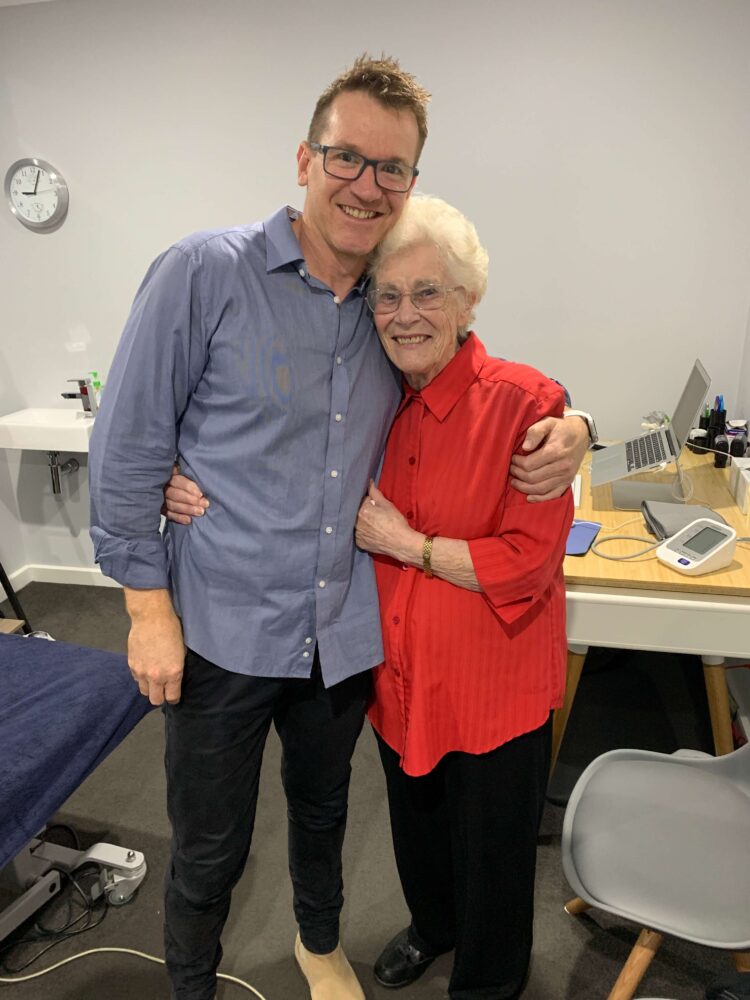

At 46 Main Street, Pakenham, tell us what the ankle is stopping you from doing. Getting safely down your front steps is as useful a goal as returning to netball.
Should I rest it or start moving?
In the early days, protect a newly injured ankle from another roll. If a fracture or a more serious injury is suspected, get medical advice before putting it through exercises. For an uncomplicated sprain, gentle movement and gradually putting weight through the foot as comfort allows can help you get walking again. A shift on your feet, a short walk to the bathroom and a game of basketball are very different amounts of load. We can help you decide where to start.
Understanding an ankle sprain
Ligaments are strong bands of tissue that help hold a joint steady. When your foot rolls further than the joint can comfortably travel, one or more ligaments can stretch or tear. An inward roll often hurts around the outside of the ankle. Pain on the inside, above the ankle or in the foot after a twist needs attention too. Tell your clinician where it hurt first, even if swelling now makes it difficult to find that spot.
When there wasn’t a twist
An ankle that gradually became sore during longer walks needs a different conversation from one injured in a fall. Think about the last activity you could do comfortably. Has the pain been building over the course of a shift? Is the tender spot at the back of your heel rather than around either ankle bone? Your answers help the osteopath decide whether to examine a tendon, the joint itself or another part of the foot or leg. We don’t have to call it a sprain to take it seriously.
What we look at in an assessment
We’ll ask how the injury happened, whether you could take steps straight afterwards and whether this ankle has rolled before. When it’s safe, we may look at how you walk, how far the ankle bends, where pressure is uncomfortable and how steady you feel standing on that leg. You can show us which task matters without pushing into sharp pain. If the examination raises concern about a fracture or an injury that needs a different kind of care, medical assessment takes priority over treatment in the clinic.
Getting back to a full day on your feet
Start with a task you can repeat, such as the walk from your front door to the car. As it becomes easier, your plan might add a longer walk, exercises to regain ankle movement or calf strengthening. If you work on your feet, tell us how much of the day is spent standing still, carrying loads or using stairs. An ankle that manages a five-minute walk may still swell late in a long shift. Knowing when that happens helps us adjust your next step.
What changes before you return to sport?
Going for a straight jog doesn’t tell you how the ankle will handle landing from a rebound. Later in recovery, your plan may work up from balancing and calf raises to landing, slowing down and changing direction. Practising part of a training session can be a useful step before playing a whole match. If the ankle repeatedly buckles, swells again or stops improving, arrange a review before increasing the challenge. There isn’t one number of days that makes every ankle ready.
Still protecting that side?
Perhaps you take stairs one at a time or automatically step off a kerb with the other foot. Tell us about that small change when you come in: it can give you and your osteopath a better starting point than a pain score alone. You can also read our guide to ankle sprains if you’d like to understand the injury before your visit. For help with the next step in your recovery, book an ankle assessment.

- 5 Steps to Get The Best Sitting Posture While Working from Home - August 7, 2020
- Home Based Exercise - March 28, 2020
- HOW CAN OSTEOPATHY HELP MY SHOULDER PAIN? - March 3, 2020