
Achilles tendon pain and tendinopathy treatment
When the first few steps out of bed are the hardest part of your walk.

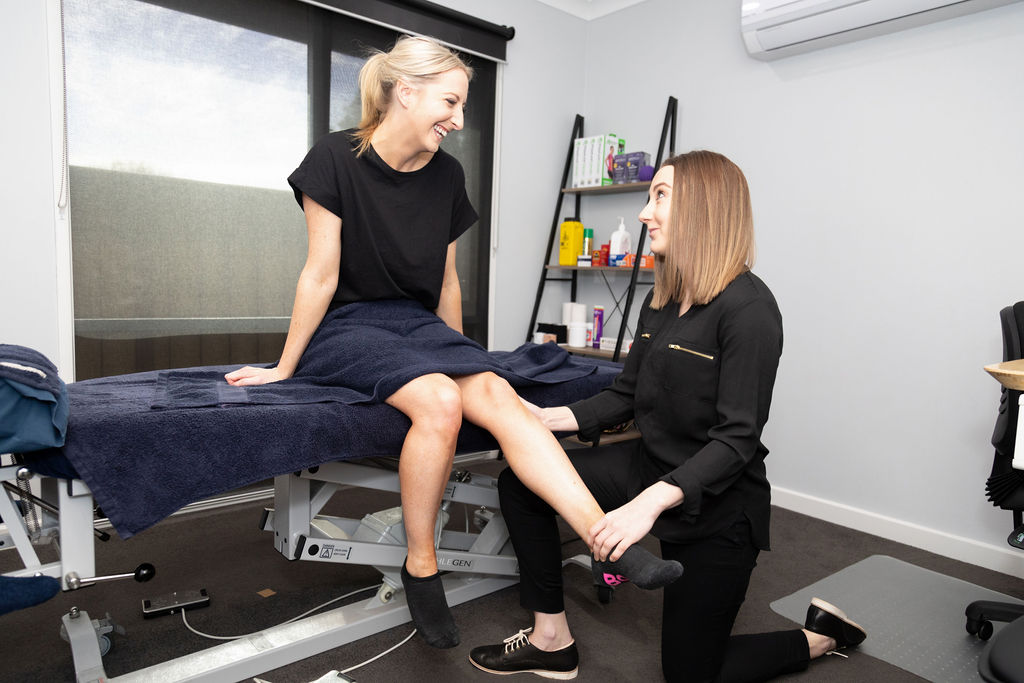
Is it safe to keep using a sore Achilles tendon?
How the pain began makes a difference.
An ache at the back of your heel that crept up over several weeks is different from feeling a sudden snap as you pushed off. If there was a pop, a sensation like being kicked in the calf, or a sudden loss of push-off strength, stop the activity and seek urgent medical assessment today. Being able to walk doesn’t rule out a torn tendon.
For pain that developed gradually, we can look at which activities irritate the tendon and how it feels afterwards. The aim is to work out what you can keep doing and what needs to change for now.
For stubborn tendon pain that is slow to settle, we may recommend shockwave therapy alongside a calf strengthening plan.
Who can I see about Achilles pain?
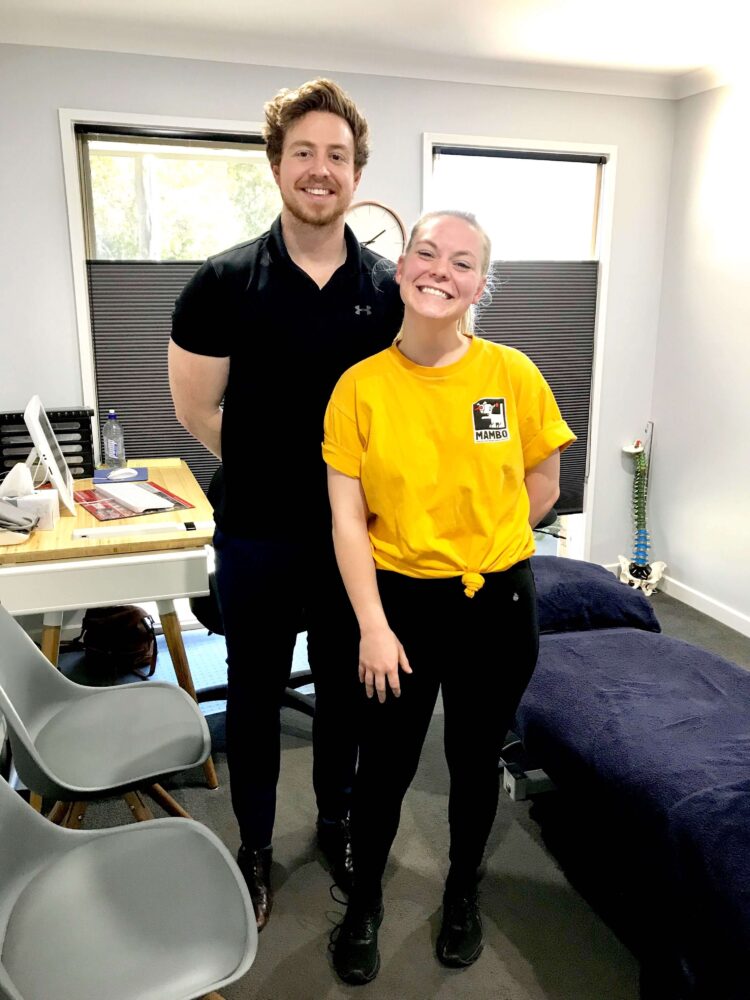
Get to know our osteopaths. You don’t need to be a runner to come in about a sore heel.
I enjoy treating
I enjoy treating
I enjoy treating
Plan a visit around your week
Choose an appointment in Pakenham or call 03 5941 4157 to speak to the team.
Why does it ease once I’m moving?
Some people notice stiffness on their first steps, feel better partway through a walk and then wake up sore again the following morning. That improvement during the walk is useful to know about, but it tells only part of the story. Notice how long your morning stiffness lasts and whether your usual route is leaving you more sore the next day.
Where the tendon is irritated and tender, laser therapy can help settle pain while you rebuild strength.
Does the exact spot at the heel matter?
Yes. Some people can point to a tender area a few centimetres above the heel. Others feel pain right where the tendon meets the heel bone, especially if a shoe rubs there. Those areas don’t always tolerate the same exercises. If lowering your heel over the edge of a step makes it worse, leave that exercise out until you’ve been assessed.
If your calf muscles feel tight and overworked, dry needling may be added to release them and ease the load on the tendon.
What if running isn’t the problem?
A hilly dog walk, several shifts in a row or repeated trips up stairs can add up too. Consider what changed before the pain started: perhaps the distance stayed the same but the route got steeper. That detail can help us suggest an adjustment that fits your day, even when taking time off your feet isn’t realistic.
Have a question before booking?
Call the clinic on 03 5941 4157. For a sudden injury with loss of strength, seek urgent medical care instead of waiting for a routine visit.
Bring a picture of your week
PEOPLE WHO NEED ANSWERS AND WANT RESULTS
At our Main Street clinic, it helps to hear about your busy days as well as your quiet ones. If your work shoes press on the sore spot, bring them along.
Do I need to stop walking while the tendon settles?
For gradual tendon pain, it may be enough to shorten a walk or choose a flatter route while you build strength. Someone limping through the working day needs different advice from someone who feels fine walking but gets sore after hill sprints. The right starting point is an amount you can repeat without a steadily worsening pattern. If walking becomes suddenly difficult or you lose the ability to push off, get medical advice promptly rather than trying to exercise through it.
What is Achilles tendinopathy?
The Achilles is the thick tendon you can feel behind the ankle. It joins the calf muscles to the heel bone. Each time you push off the ground, it helps transfer force from the calf to the foot. Tendinopathy is the term clinicians use when a tendon is painful with use and its ability to handle everyday or sporting demands has changed. You may know it as Achilles tendinitis. Pain behind the heel can also come from other structures, so the name alone doesn’t establish the cause.
At the heel bone or further up the tendon?
At its lower end, the tendon attaches to the back of the heel bone. When this area is sensitive, bringing the shin forwards over the foot can squeeze the sore attachment against the bone. Steep climbs and deep calf stretches may be particularly uncomfortable. Pain higher up is often called midportion tendinopathy. Being able to point to the spot is helpful, but you don’t have to distinguish the two yourself. An osteopath can use the location alongside your history, calf strength and ankle movement to choose a starting exercise.
What an appointment can tell you
We’ll ask when the pain started, whether there was a particular injury and how your usual walking or training has changed. If appropriate, we may watch you walk and see how comfortably you can raise your heel. For someone whose goal is climbing stairs, we’ll want to know what happens on the last flight as well as the first. A sudden injury, marked weakness or an unclear presentation can change the next step: we may recommend medical review rather than starting a strengthening programme.
Building strength without guessing at repetitions
Calf strengthening is often part of managing Achilles tendinopathy. The exercise needs to match both where you hurt and what you can manage now. One person might start with heel raises using both legs on level ground. Another may already manage these easily and need more resistance. Your osteopath can help select the movement, how much to do and when to review it. There’s no need to copy someone else’s programme or drop your heel off a stair just because an exercise is labelled “for Achilles pain”.
How to judge the next increase
Choose a familiar activity as a reference. For example, notice how your heel feels on the walk to the station, later that evening and when you get up the next day. Look for a pattern over several similar days. If morning stiffness is lasting longer or a previously easy walk is becoming harder, discuss reducing the recent increase. If things are settling, change one demand at a time. Keeping the usual distance while reintroducing a small hill tells you more than adding speed, hills and distance on the same day.
Make a plan for the activity you miss
Tell us whether you want to finish your shift comfortably, manage a weekend bushwalk or return to running. These goals use the same tendon in different ways, and they give us a practical way to review progress together. For more background, read our guide to Achilles tendinopathy. To talk through your own symptoms and options, book a visit to Pakenham Osteopathy.

- 5 Steps to Get The Best Sitting Posture While Working from Home - August 7, 2020
- Home Based Exercise - March 28, 2020
- HOW CAN OSTEOPATHY HELP MY SHOULDER PAIN? - March 3, 2020