
You roll over to get comfortable and a familiar ache catches you on the outside of your arm. Turning onto the other side helps, until your top arm slips off the pillow. By morning you might be able to reach for the kettle with barely a twinge. How can the same shoulder feel so different a few hours later?
Shoulder pain can feel worse at night because lying down changes where pressure falls and how much support your arm has. A sore shoulder might object to having your weight on it, or it might ache when your arm rests across your body. Rotator cuff problems and frozen shoulder can both disturb sleep, and sometimes the pain comes from the neck. For tonight, try lying on the more comfortable side with the sore arm resting on a pillow, or on your back with a pillow under the elbow and forearm.
Why lying down can make a sore shoulder more noticeable
During the day, you move your arm from one position to another without thinking much about it. In bed, the shoulder might stay in one position until you move in your sleep. If that position is uncomfortable, you may first notice the ache as you drift off or when it wakes you later. Some people feel it immediately on rolling onto the sore side. Others only notice it when the top arm falls forwards or when they reach behind them to pull up the covers.

If the pain eases when you shift the weight off your shoulder or support your arm, that’s a useful clue about what makes it more comfortable. There’s no clear evidence that a habit of side sleeping causes rotator cuff problems. You can choose a position that lets you settle more easily, even if you wake up in a different one.
What might be behind the night pain?
Rotator cuff pain and bursitis
The rotator cuff is a group of muscles and tendons that help you lift and turn your upper arm. The nearby bursa is a small cushion that helps the tissues glide as the arm moves. The tendons and bursa sit close together and can give a similar ache, often over the outer shoulder or upper arm. You might notice it when you put a dish on a high shelf, take off a jumper or lie on that side. How the shoulder first became sore matters as much as what it feels like in bed. Sudden weakness or difficulty lifting your arm after an injury needs urgent medical assessment.
Frozen shoulder
With frozen shoulder, even simple movements can get progressively harder. You might notice you can’t slide your arm into a coat sleeve, reach behind your back or turn your arm out to the side as far as you used to. Night pain can be especially troublesome early on. As stiffness builds, it can limit movement even when someone else gently moves the arm for you. A clinician can check that difference and look for other problems that also cause stiffness. If you’re finding it harder each week to get dressed or wash your hair, arrange an assessment.
Arthritis or pain from the neck
Shoulder joint arthritis can cause a deeper ache and stiffness, often with a gradual loss of movement. The neck can also send pain to the shoulder or further down the arm. Notice if turning your head changes the ache, or if you get pins and needles or numbness. Those details are worth mentioning even if the shoulder is where you first feel the pain. Symptoms can overlap, and more than one area may be contributing.
Sleeping positions to try tonight
Start with an ordinary pillow you already own. Check what the shoulder feels like after a few minutes with the arm supported. If you’ve had shoulder surgery or a recent injury and were given instructions about sleeping or using a sling, follow those instructions.
On your other side with a pillow to hold
Lie with the more comfortable shoulder down. Put a pillow in front of your chest and rest the sore arm on it so the pillow takes the weight of your elbow and forearm. If the arm still drifts down towards the mattress, try a fuller pillow or fold the one you have. If you tend to roll back onto the painful side, a pillow behind your back may help you settle in the new position.
On your back with the arm supported
Try a small pillow or folded towel under the sore arm, supporting the elbow and forearm. Let the arm rest where it feels easy rather than pushing it out to the side or up towards your head. If lying flat is uncomfortable, try resting slightly propped up with the arm still supported. You can use the same idea when you read in bed. If the elbow has somewhere to rest, the shoulder doesn’t have to hold the weight of the book and arm for as long.
If you keep waking up on the sore side
Rolling over in your sleep is normal. Shift off the tender side, settle the arm back onto the pillow and give it a moment. If you usually fall asleep with your hand under the pillow and that position brings on the ache, see how it feels to start with the arm lower down. A useful setup is one you can settle into comfortably when you’re half awake.
Look at what the shoulder does during the day
If a pillow makes tonight easier, pay attention to when the ache returns tomorrow. Does it build after putting stock on high shelves, after a swim or after holding a toddler on one side? Is the arm still moving freely, or are you starting to turn your whole body to reach the seatbelt? Take note of which part of that movement is difficult. It can give you and your clinician a better starting point than a pain score alone.
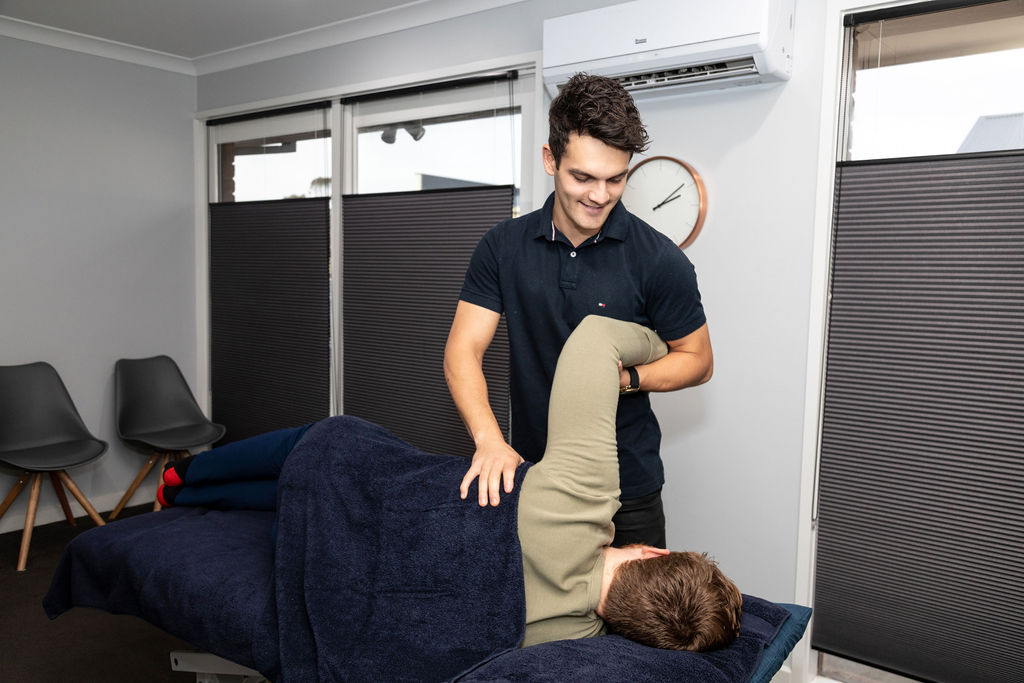
If you’ve been doing a lot of work overhead, see whether doing it in shorter blocks or bringing a task down to bench height makes the day more manageable. Keep the shoulder moving gently within a comfortable range if you can. For rotator cuff tendinopathy, an exercise plan can gradually build the shoulder’s ability to manage the movements and loads you need in daily life. If stiffness is becoming the main problem, tell your clinician which movements you’ve lost and how quickly that’s happened. That can change where you start.
When to get your shoulder checked
Call Triple Zero (000) if shoulder pain comes with chest pressure or pain, shortness of breath, a cold sweat or other signs of a possible heart attack. See the heart attack warning signs.
Seek urgent medical care for severe shoulder pain, fever, redness, swelling or heat around the shoulder, or sudden unexplained weight loss or night sweats. Get urgent care if you lose feeling or movement in the arm, or if the shoulder looks out of shape or is suddenly weak after an injury.
Speak with your GP if the ache keeps getting worse, persists at rest or comes with recurring tingling or a gradual change in strength. If the pain regularly wakes you, or ordinary tasks are getting harder even though the bedside changes help, it’s worth having the shoulder assessed.
Bring one detail from the night and one from the day. Perhaps it’s “I wake as soon as I roll onto my right side” and “I can still lift the kettle, but reaching behind the car seat hurts.” Together those details help guide what to check. If you’d like to know what assessment may involve, see how we approach shoulder pain and injury at Pakenham Osteopathy.