You wake up, stretch, and there it is again. That dull, stubborn ache along your jaw. Maybe your teeth feel oddly sensitive. Maybe your head already feels tight before the day has even begun. You might blame stress, your pillow, or a restless night. Often, it is a mix of all three.

Image by stefamerpik on Freepik
How Your Jaw Links to your Neck and Breathing
Your jaw does not work in isolation. The temporomandibular joint, or TMJ, connects your jaw to your skull just in front of your ears. It relies on a small group of muscles that also link into your neck and shoulders. When your head sits forward for long periods, those muscles can stay switched on. Add shallow breathing or stress, and your body may default to clenching, especially at night. Over time, that load can build into soreness, stiffness, and disrupted sleep.
Signs it Might be TMJ or Bruxism
So how do you know if your jaw is part of the problem? Common signs include:
- Waking with jaw tightness
- Tenderness when chewing
- Clicking or popping in the joint, or
- A feeling of fullness near the ears.
- Some people notice worn or sensitive teeth.
- Others experience tension headaches that seem to start around the temples or base of the skull. Partners might even hear grinding during sleep, a condition known as bruxism.
Three Simple Strategies to Try Tonight
The good news is that small changes can make a meaningful difference.
First, give your jaw a gentle “off switch.” As you settle into bed, place the tip of your tongue lightly on the roof of your mouth, just behind your front teeth. Let your teeth part slightly and allow your lips to close. This position helps reduce unnecessary muscle activity.
Second, slow your breathing. Place one hand on your ribs and breathe in through your nose, feeling your ribs expand sideways. Then exhale slowly. Aim for a steady, relaxed rhythm. This encourages your diaphragm to do the work and can reduce the tendency to clench.
Third, consider your pillow and position. Try to keep your neck in a neutral position rather than bent forward or twisted. Side sleepers may benefit from a pillow that fills the space between shoulder and head, while back sleepers can use a lower profile pillow to avoid pushing the head forward.
How Osteopathic Care Can Help
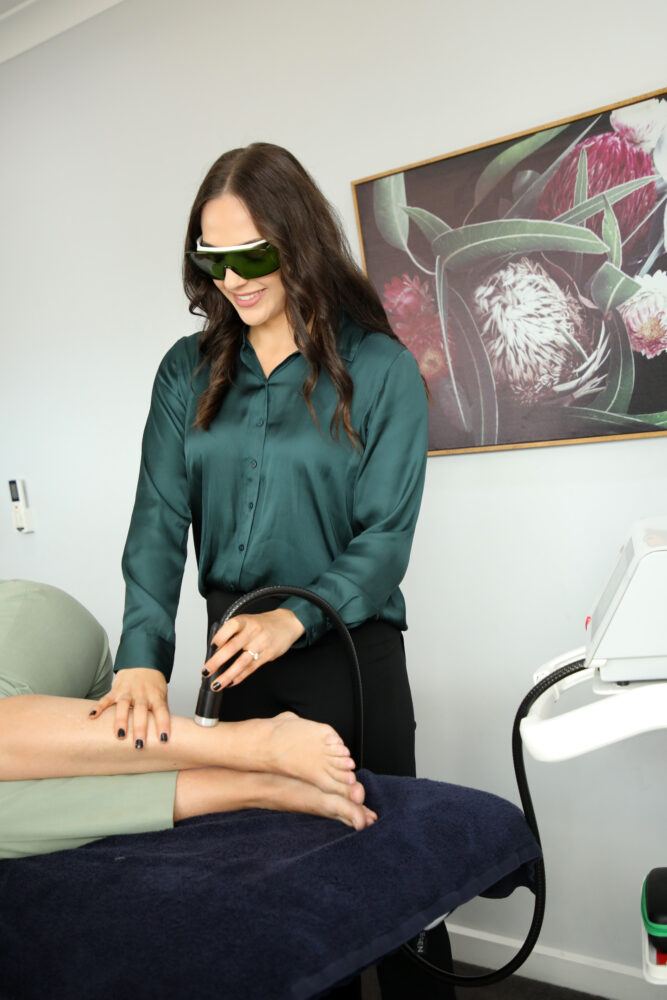
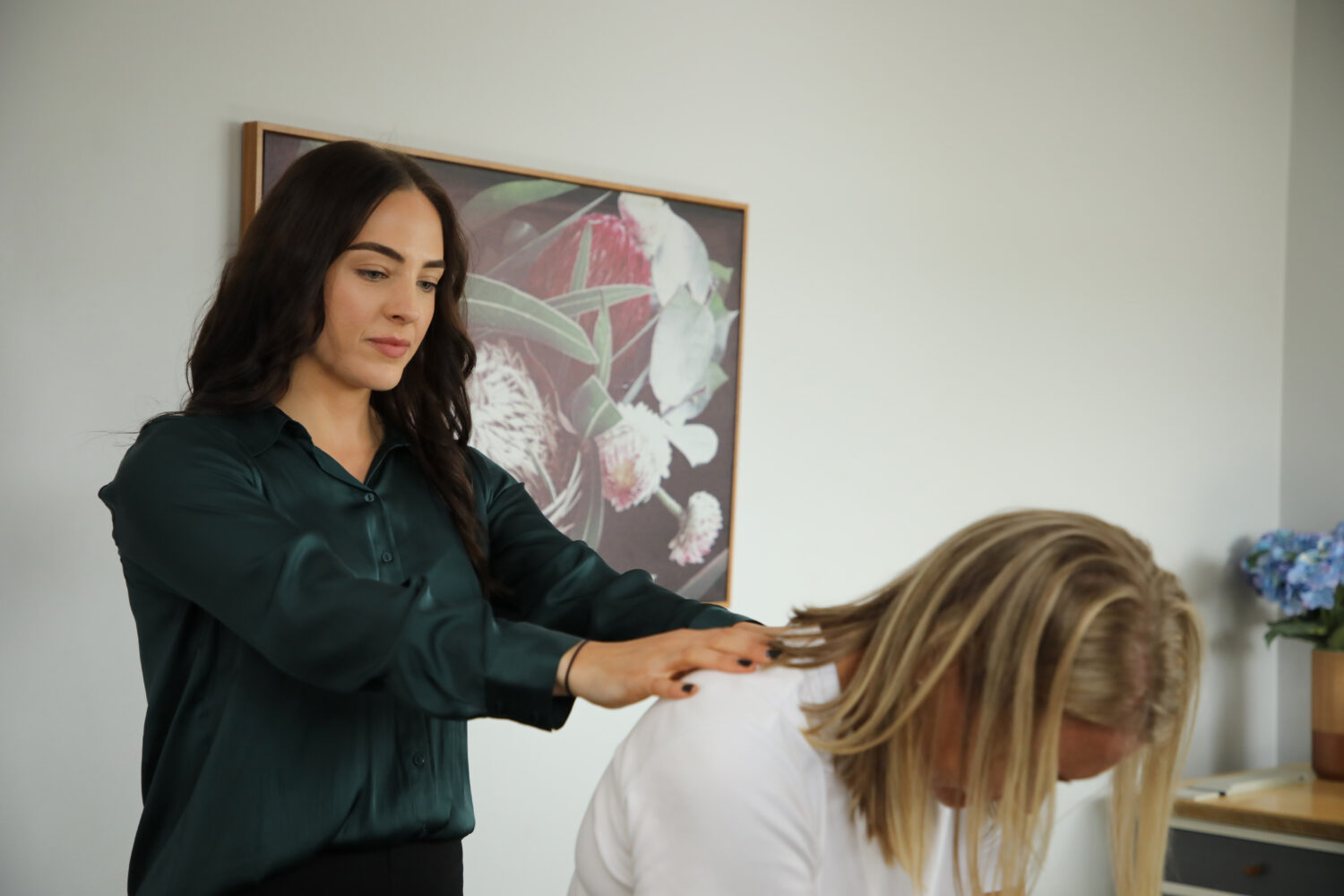 Osteopathic care looks at how all of these pieces fit together. During a consultation, we assess the movement of your jaw, neck, and upper back, along with your breathing patterns. Treatment may include:
- Joint techniques
- Soft tissue work to reduce muscle tension
- Dry needling (where appropriate)
- Advice on posture
- Guidance on better sleep habits
When needed, we work alongside your dentist to ensure your teeth and bite are protected.
When to seek further care
If you experience severe jaw pain, locking, significant difficulty opening your mouth, or sudden changes in your bite, it is important to seek dental or medical review promptly. If jaw tension is affecting your sleep or your mornings, call us on 5941-4157 or click here to book an appointment at Pakenham Osteopathy. And if your jaw just dropped at how much it does overnight, follow us on Instagram and Facebook for more tips that help you rest, reset, and wake up feeling better.
Information provided here (including text, graphics, images, outbound links, and other material) is for informational purposes only. It is general in nature and is not to be used or considered as a substitute for personalised professional medical advice, diagnosis, or treatment. Always seek the advice of your qualified allied health provider regarding any symptoms, medical conditions, or treatments and before undertaking any new health care regimen.