If you’ve ever visited an osteopath at Pakenham Osteopathy, you’ve likely been given a personalised management plan. This plan outlines the steps needed to treat your condition, relieve symptoms, and help prevent the issue from coming back. But while creating the plan is an important first step, following it is what truly makes the difference in your recovery.
Whether you’re dealing with back pain, sports injuries, posture problems, or chronic joint stiffness, sticking to your osteopathic management plan is key to getting the best results.
What Is An Osteopathic Management Plan?
 An osteopathic management plan is your personalised roadmap to recovery. After your osteopath assesses your condition, they create a step-by-step approach that may include:
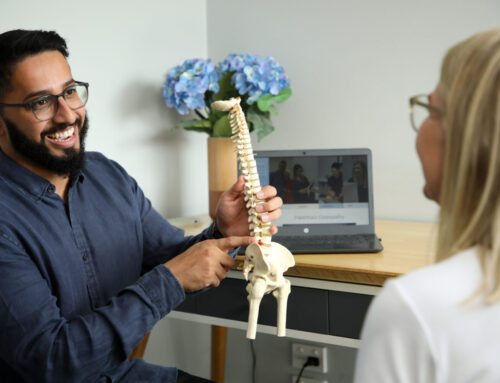
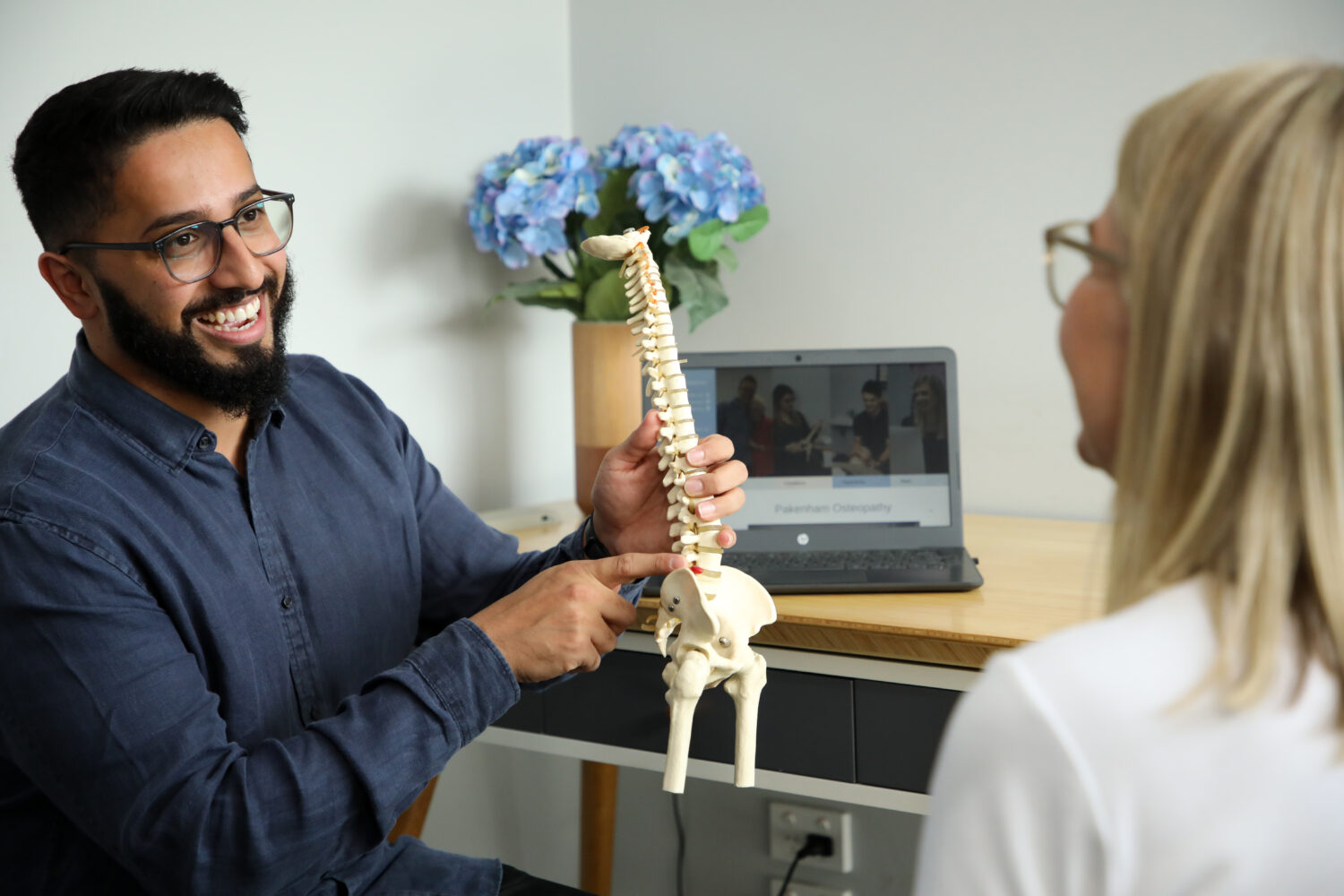
- A diagnosis or explanation of your issue
- A timeline of treatment sessions
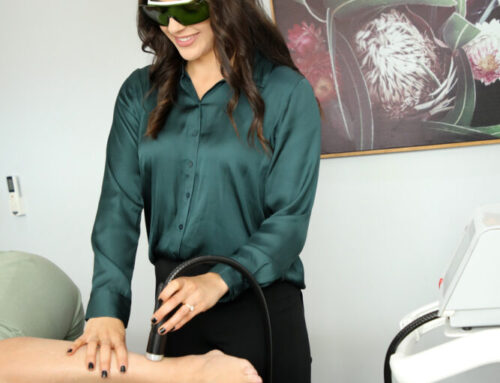
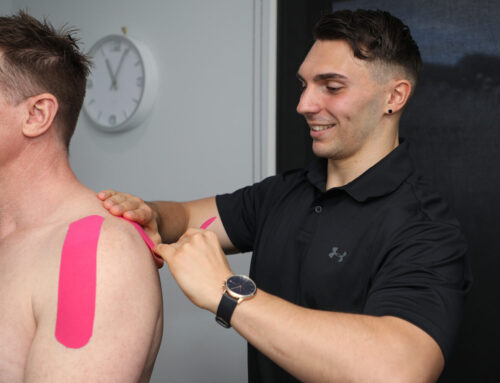
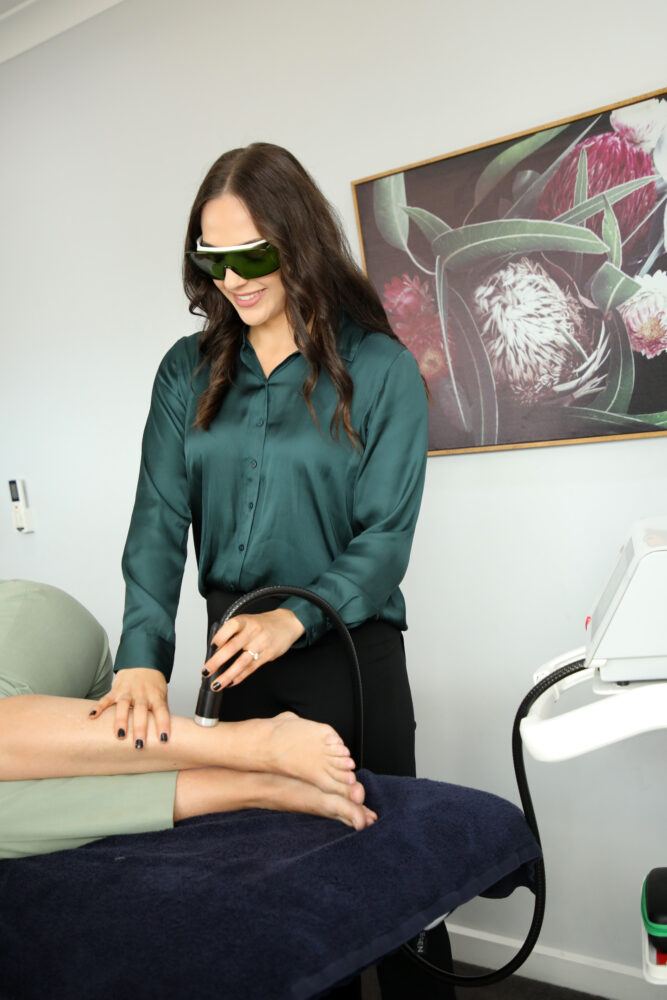
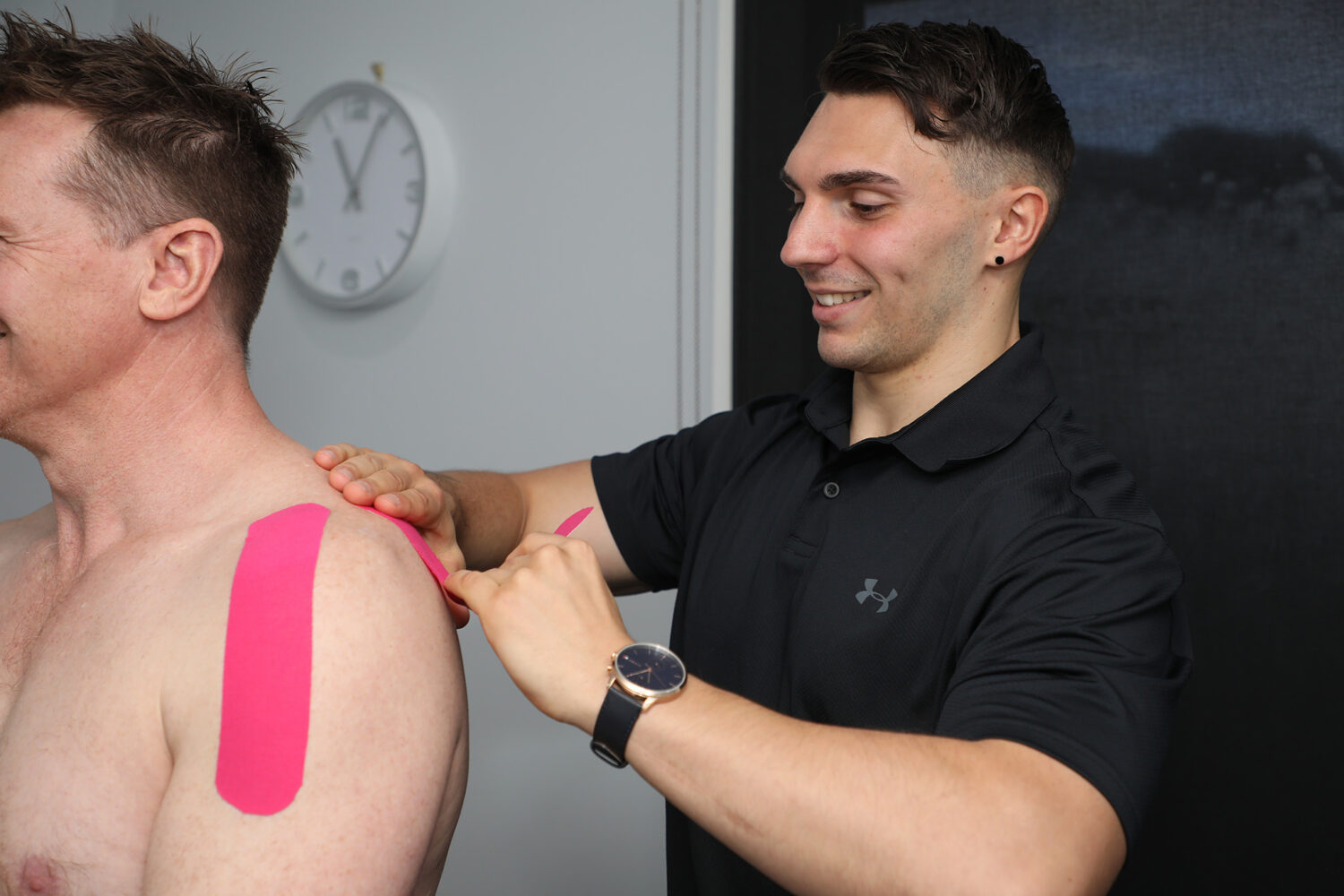
- Specific hands-on techniques (like joint mobilisation or soft tissue therapy)
- Home exercises or stretches
- Lifestyle and ergonomic advice
- Periodic reviews to track progress
The plan is designed with your goals in mind—whether that’s reducing pain, improving movement, or preventing the issue from recurring.
Why It’s Important To Follow The Plan
 1. Better, Faster Recovery
 1. Better, Faster Recovery
Osteopathic treatments often work best when done consistently over time. Skipping appointments or exercises can slow down your progress and keep symptoms hanging around longer than necessary.
2. Treating the Cause, Not Just the Symptoms
Many conditions, like back pain or neck stiffness, have underlying causes—poor posture, muscle imbalances, or repetitive strain. Your management plan addresses these root causes, not just the surface-level symptoms. Following the plan helps ensure long-term improvement.
3. Prevention of Future Problems
By doing your part—whether that’s completing your exercises or making small changes to how you sit at work—you’re helping your body stay healthy and avoid future flare-ups. Prevention is always easier than starting from scratch again.
4. Tracking Your Progress
Your osteopath will regularly check in on how you’re feeling and make adjustments to the plan if needed. This only works effectively if you’re following the steps in between sessions. It helps them understand what’s working and what might need to change.
How You Can Stay on Track
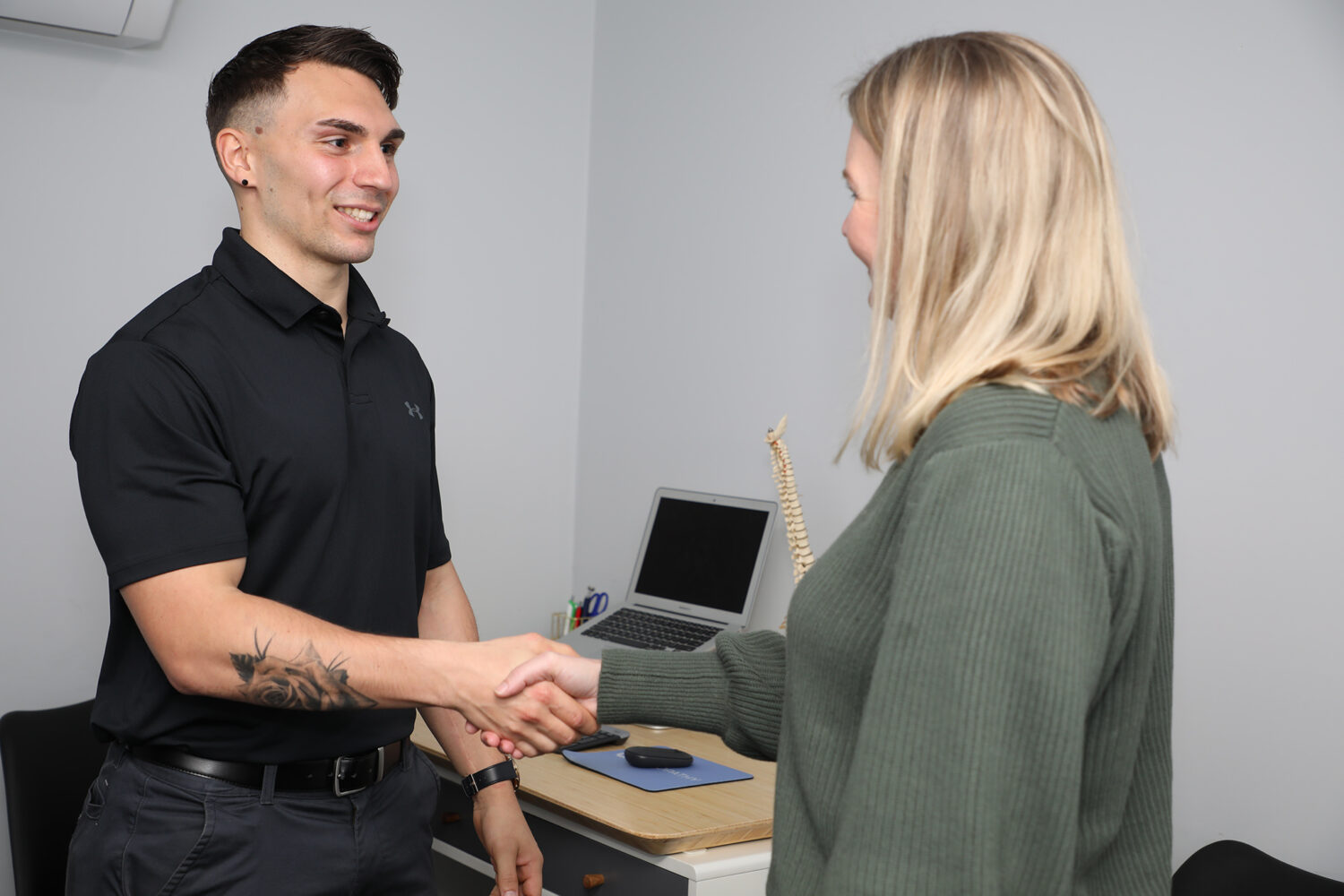 We know life gets busy, and it’s not always easy to stay consistent. Here are a few tips to help you follow your plan:
- Set reminders for exercises or stretches
- Ask questions if you’re unsure about anything
- Be honest with your osteopath about what you are and aren’t doing
- Celebrate small improvements—it’s all progress!
Final Takeaway
Following your osteopathic management plan is more than just attending appointments—it’s about being actively involved in your own recovery. Your osteopath is here to guide you, but your commitment plays a big role in how quickly and effectively you improve. With consistency and care, you’ll be well on your way to moving better, feeling better, and living better.
If you have any questions, please feel free to email me directly: ammar@pakenhamosteopathy.com.au