If you’ve been experiencing pain around the front of your lower leg you may be suffering from shin splints. Shin splints can happen if you have recently taken up running or started running again, taking up a new sport or increased your training load and intensity too quickly. This pain can usually present as a nagging dull ache.
“Shin splints” is the common term for medial tibial stress syndrome (MTSS), a condition where you feel pain along the inner edge of the tibia (shin bone). It typically occurs when the muscles, tendons, and bone tissue around your shin become overworked, often due to repetitive stress. Osteopaths frequently see this condition as shin splints are not just a local problem, they are the result of imbalanced biomechanics, compensatory movement patterns, or poor shock absorption throughout the body.

Image by wayhomestudio on Freepik
What Are The Causes Of Shin Splints?
Osteopaths take a whole-body approach, looking at how different areas of the body contribute to the development of shin splints. Some of the common contributing factors we assess include overuse or a sudden increase in activity, such as ramping up running mileage too quickly, and poor foot mechanics like over-pronation, which can place excessive strain on the lower leg. We also look for muscle imbalances or tightness, particularly in the calves, tibialis posterior, and anterior compartments. Footwear plays a key role like worn out or unsupportive shoes can increase the impact through the legs.
How May Osteopathy Help?
When visiting an osteopath, the first step will be a thorough consultation to gather a detailed history and understand the onset of your symptoms. Your osteopath will then perform a physical examination, assessing your lower limb biomechanics. Specific tests and movements will be used to reproduce the pain and identify biomechanical imbalances contributing to your leg discomfort. This evaluation not only confirms the diagnosis of shin splints (medial tibial stress syndrome), but also identifies muscle imbalances, joint restrictions, and movement patterns that may be driving the overload in your lower legs.
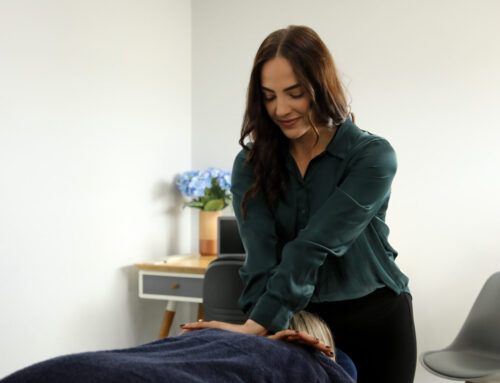
Osteopathic treatment for shin splints involves a multifaceted approach tailored to reduce pain, restore function, and address the root cause of the condition. Treatment includes a range of hands on manual therapy techniques aimed at relieving muscular tension and improving biomechanics. This may involve:
 Soft tissue massage
- Myofascial release
- Trigger point therapy
- Dry needling, particularly targeting the calves, tibialis posterior, and foot musculature
- Joint mobilisation
- Manipulation techniques may also be used to enhance mobility through the ankle, foot, knee, and hip, helping to reduce stress on the shin region during weight-bearing activities.
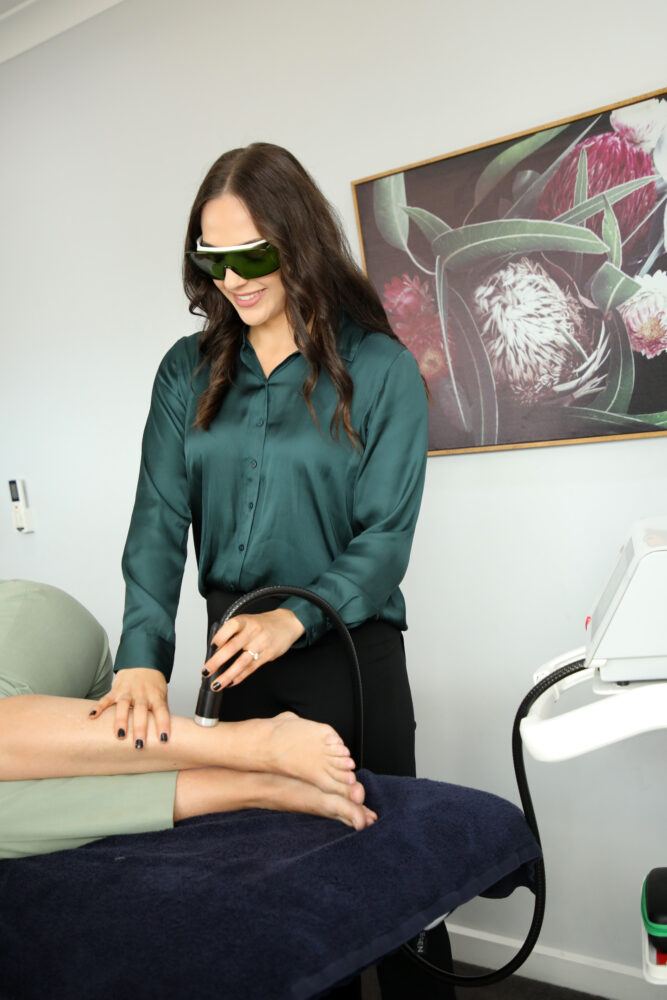 At our clinic, we also offer LASER therapy, an advanced treatment that assists in managing acute musculoskeletal pain. LASER works by blocking pain signals, reducing inflammation, and stimulating the body’s natural healing processes, making it highly effective in managing the acute phase of shin splints. Additionally, we may use Shockwave Therapy for more chronic or persistent shin pain. This machine delivers high-energy sound waves to stimulate healing, break down scar tissue, and promote blood flow in areas of longstanding irritation.
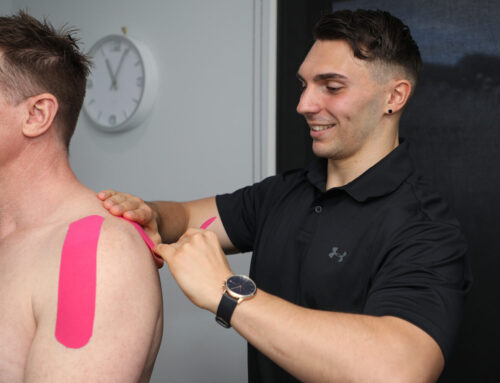
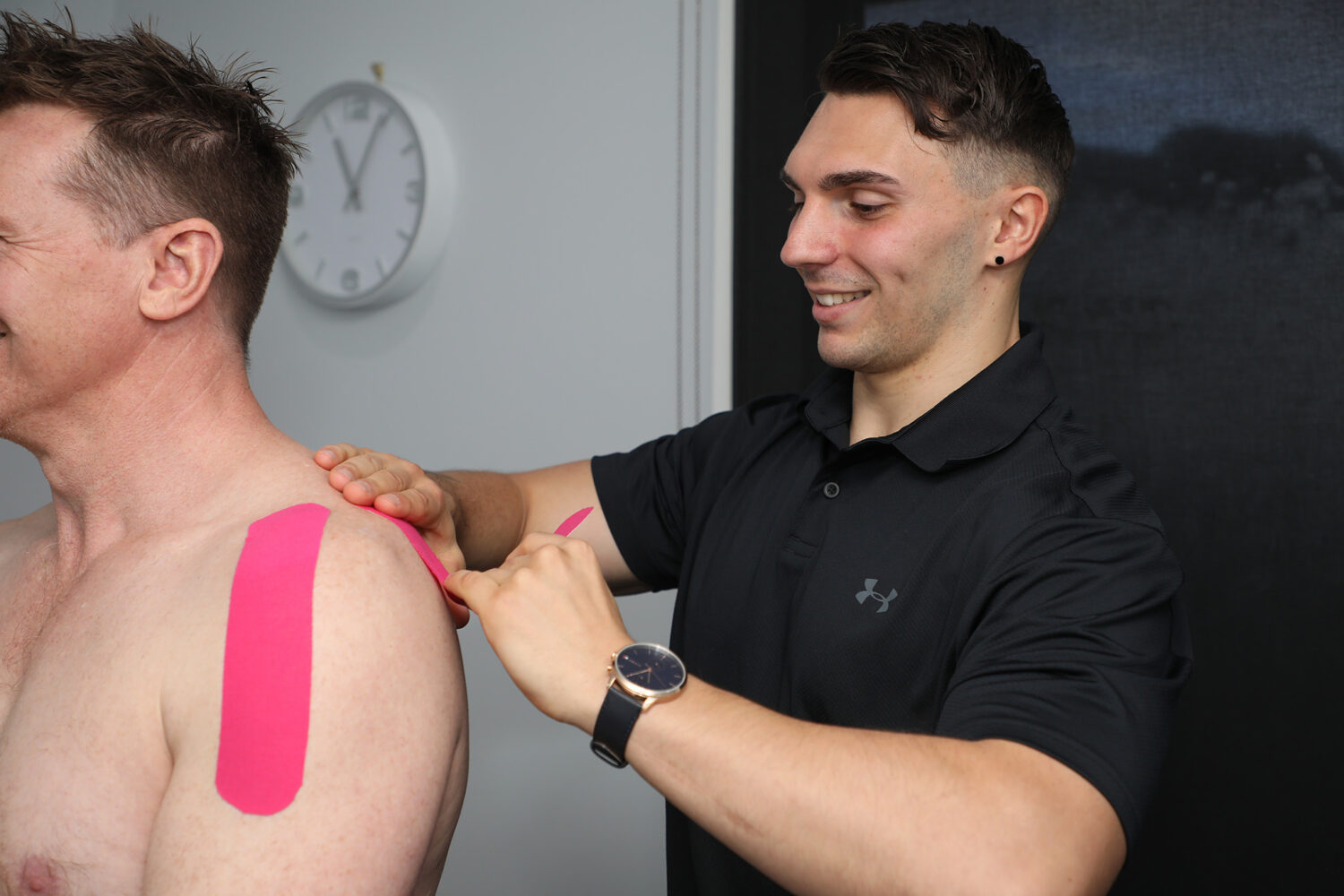
In addition to manual therapy, your osteopath will provide personalised advice on biomechanics and training loads. This may involve assessing your gait, footwear, and training habits, and offering strategies to reduce repetitive stress. Rehabilitation exercises will be prescribed to strengthen the muscles around your ankle and legs. These exercises help correct movement dysfunctions, improve shock absorption, and prevent recurrence of pain. Gradual loading, gentle stretching, and strengthening of the relevant muscle groups form a key part of recovery. Taping or supportive devices may be recommended temporarily, but your Osteopath will only recommend these as short-term tools to support healing as they are not long-term fixes.
When To Seek Help
Shin splints can often be managed in the early stages with rest, ice, and gentle stretching, but if the pain gets worse, doesn’t go away, or starts to affect your daily activities, it could be a sign of something more serious like a stress fracture, compartment syndrome, or tendon issues. Don’t ignore ongoing pain seeking early treatment can prevent it from turning into a more complicated or long-term injury.
To reduce the risk of shin splints in the first place, it’s important to train smart by increasing your activity gradually, warming up and cooling down properly, and strengthening key areas like your hips, core, and calves. Supportive footwear and avoiding hard or uneven surfaces can also make a big difference. Regular osteopathic check-ups are a great way to catch and correct movement imbalances early, helping to keep you active and injury-free.
Don’t let shin splints ruin your exercise routine, make an appointment today by clicking here! If you have any questions about shin splints, feel free to email me at alessia@pakenhamosteopathy.com.au