Tendons and ligaments are essential components of the musculoskeletal system, playing a critical role in movement and joint stability. Though often mentioned together, they serve different purposes and are composed of slightly different types of connective tissue. As osteopaths, we frequently treat conditions involving these structures, particularly those resulting from overuse, injury, or postural dysfunction.
 Tendons: The Muscle-to-Bone Connectors
Function
Tendons are strong, flexible bands of collagen-rich connective tissue that attach muscle to bone. When a muscle contracts, the tendon transmits the force to the bone, facilitating movement. For example, the Achilles tendon connects the calf muscles to the heel bone, allowing you to walk, run, and jump.
Common Issues
- Tendinopathy: A chronic condition involving tendon degeneration due to repetitive overload.
- Tendonitis: Inflammation of the tendon, often caused by acute overuse.
- Tendon rupture: A complete tear, usually resulting from a sudden force (e.g. Achilles tendon rupture during sport).
Ligaments: The Joint Stabilizers
Function
Ligaments connect bone to bone and are responsible for maintaining the structural integrity of joints. They are less elastic than tendons and are designed to limit excessive movement and protect against dislocations. For instance, the anterior cruciate ligament (ACL) stabilizes the knee by preventing forward movement of the tibia.
Common Issues
- Ligament sprains: Stretching or tearing of ligament fibres due to trauma (e.g. ankle sprains or ACL tears).
- Joint instability: Resulting from ligament laxity or previous sprain injuries.
- Degeneration: In some cases, ligaments can weaken over time due to repetitive strain or ageing.
What Blood Flow Means for Injury Recovery?
Healing depends heavily on vascularisation. Tissues with a rich blood supply tend to heal faster because oxygen and nutrients, essential for tissue repair, can be delivered efficiently. Unfortunately, both tendons and ligaments are relatively avascular, but ligaments have even poorer blood flow than tendons, making their healing slower.
- Tendons receive some blood supply from nearby muscles and bone attachments (enthesis), which aids moderate healing potential.
- Ligaments, particularly those deep within joints (e.g., the ACL), have very limited vascular access, meaning healing is slow and, in some cases, incomplete without surgical intervention.
This difference explains why partial tendon injuries often recover conservatively, while complete ligament ruptures may require reconstruction.
How May Osteopathy Help?
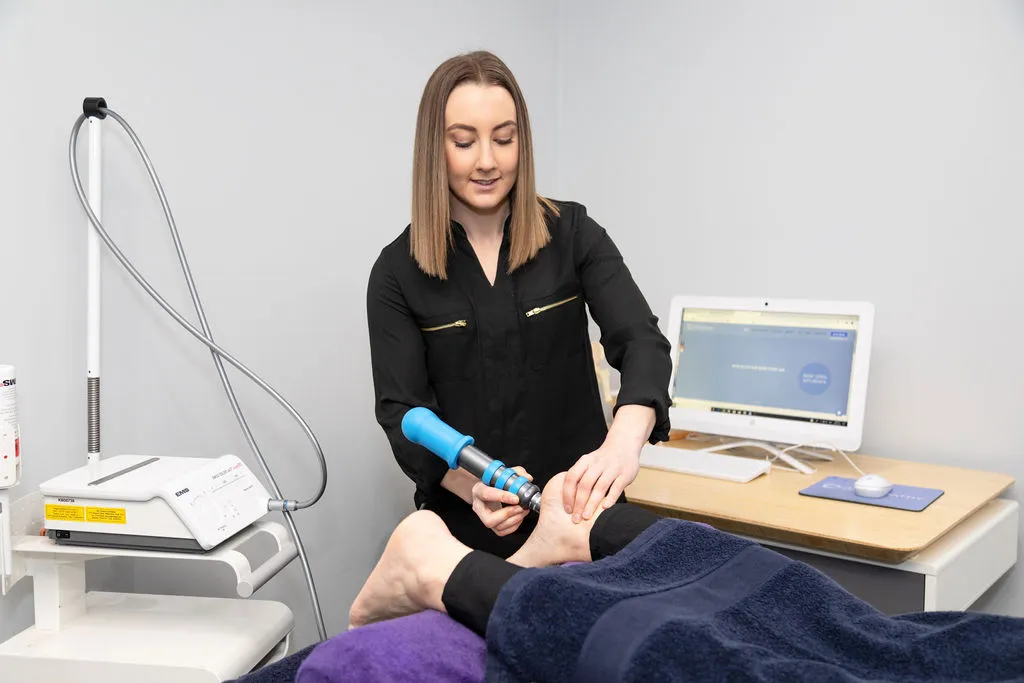 Osteopathic treatment focuses on restoring optimal biomechanical function and promoting healing in both tendons and ligaments. We utilise a combination of:
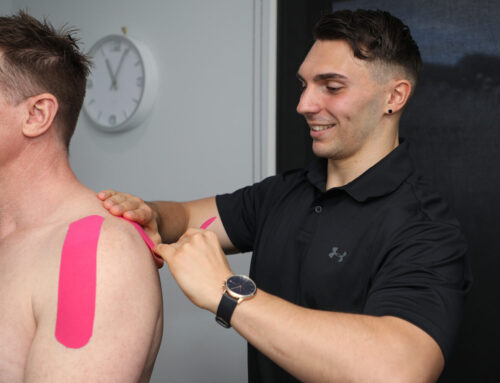
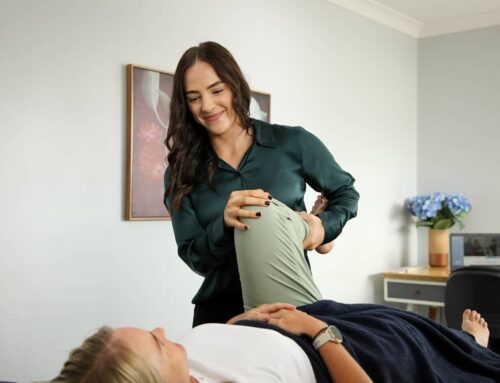
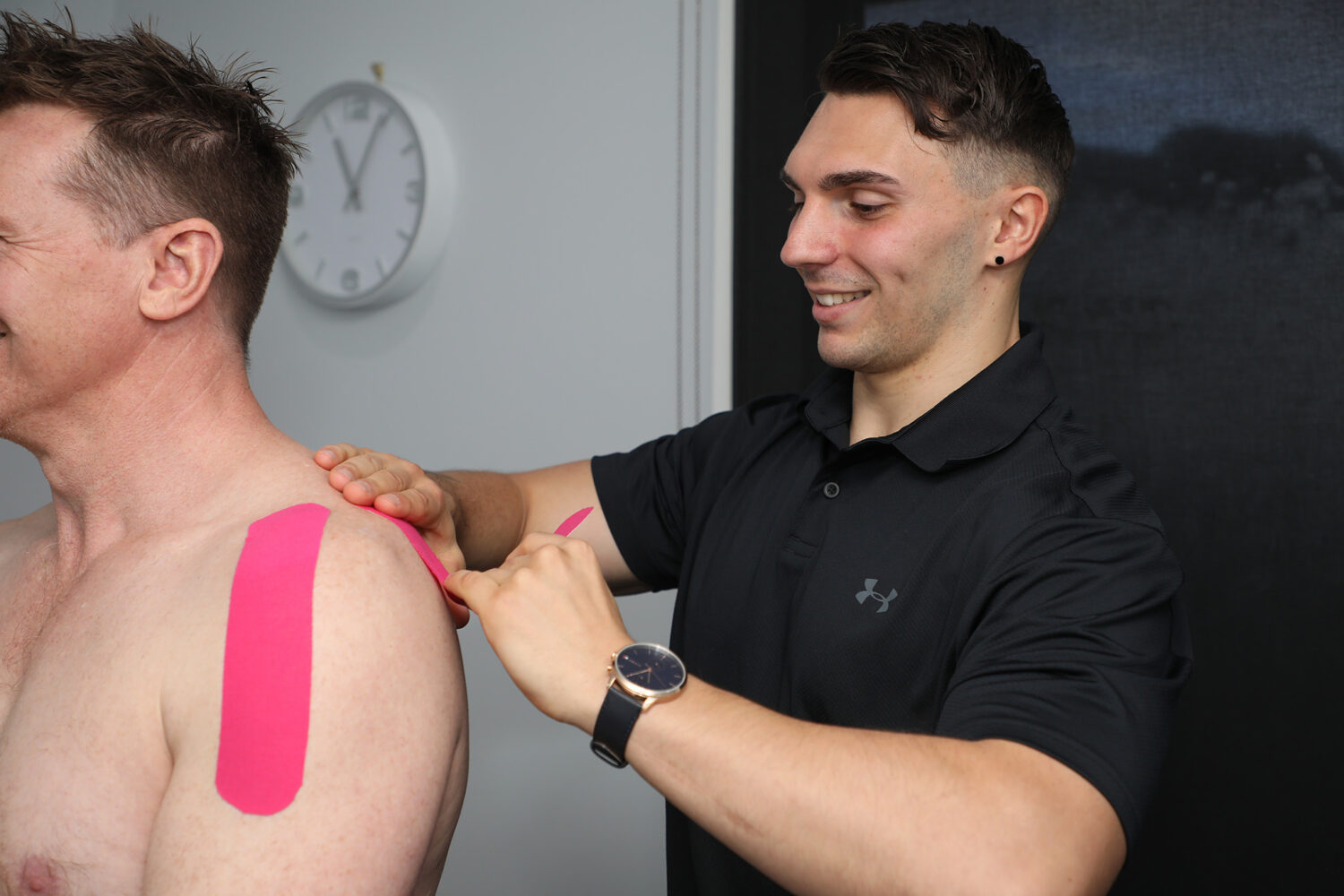
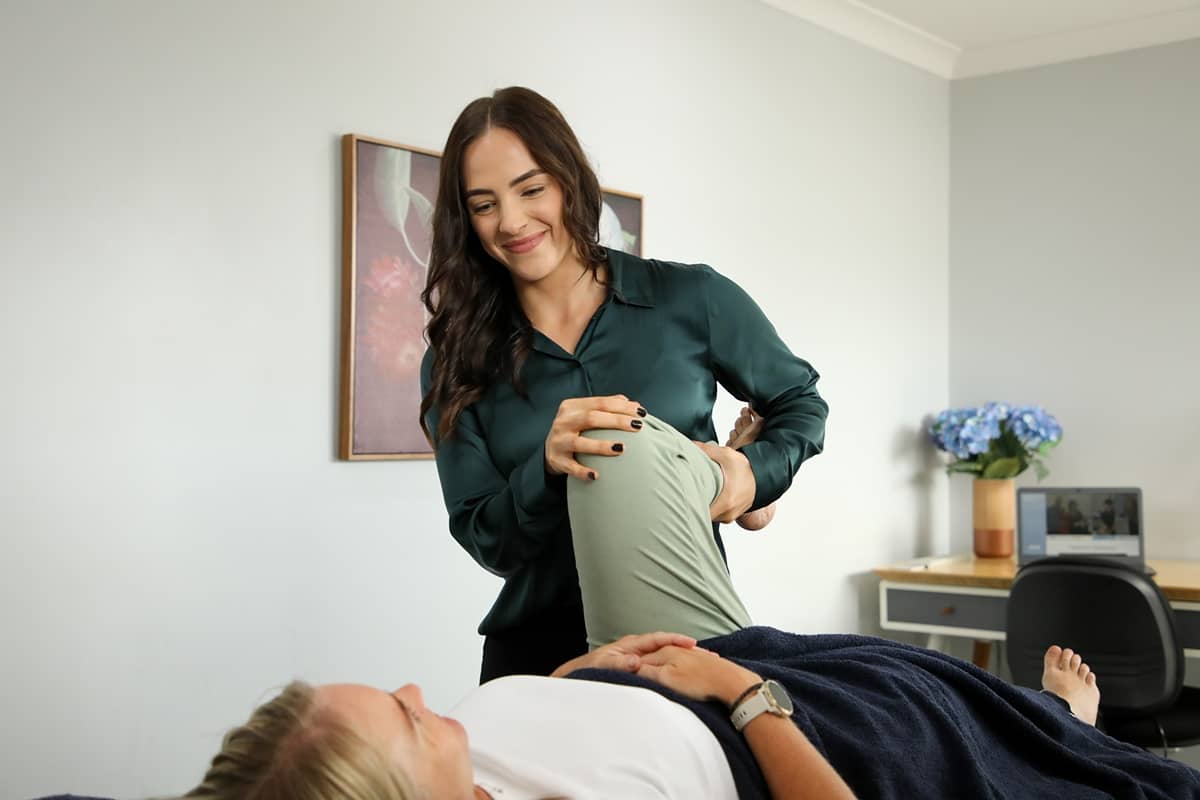
- Manual therapy to reduce tension, restore alignment, and improve circulation
- Postural assessment to identify biomechanical imbalances contributing to strain
- Exercise rehabilitation to strengthen surrounding muscles and support joint stability
- Shockwave therapy (for tendinopathies): Stimulates tendon healing by promoting blood flow and tissue regeneration
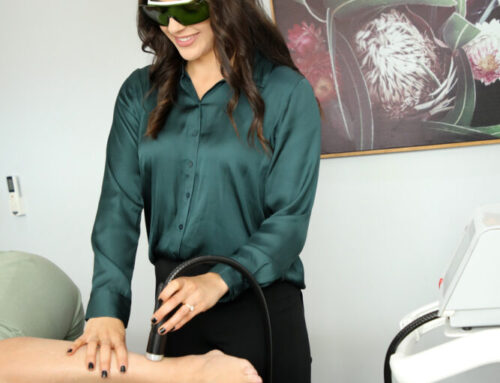
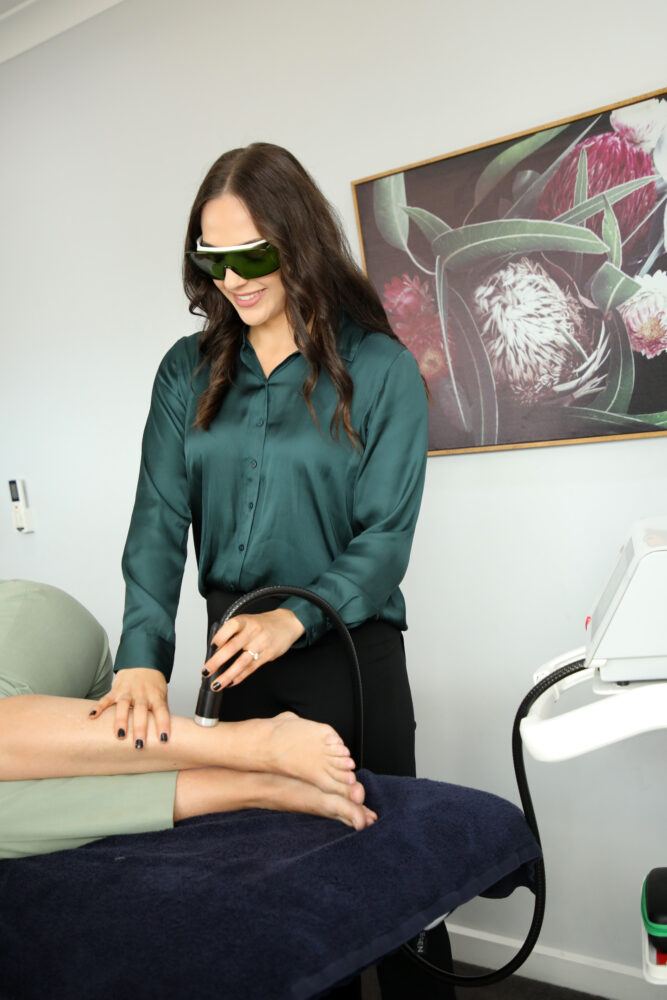
- Laser Therapy: Helps reduce inflammation and stimulate cell repair in both tendons and ligaments
Simple Steps to Prevent Reinjury:
Maintaining strong and flexible muscles around joints is crucial in preventing tendon and ligament injuries. This includes:
- Regular stretching and strengthening routines
- Addressing muscular imbalances
- Proper warm-up and cool-down during sports
- Good ergonomics and posture during work or daily activity
 Final Thoughts!
 Final Thoughts!
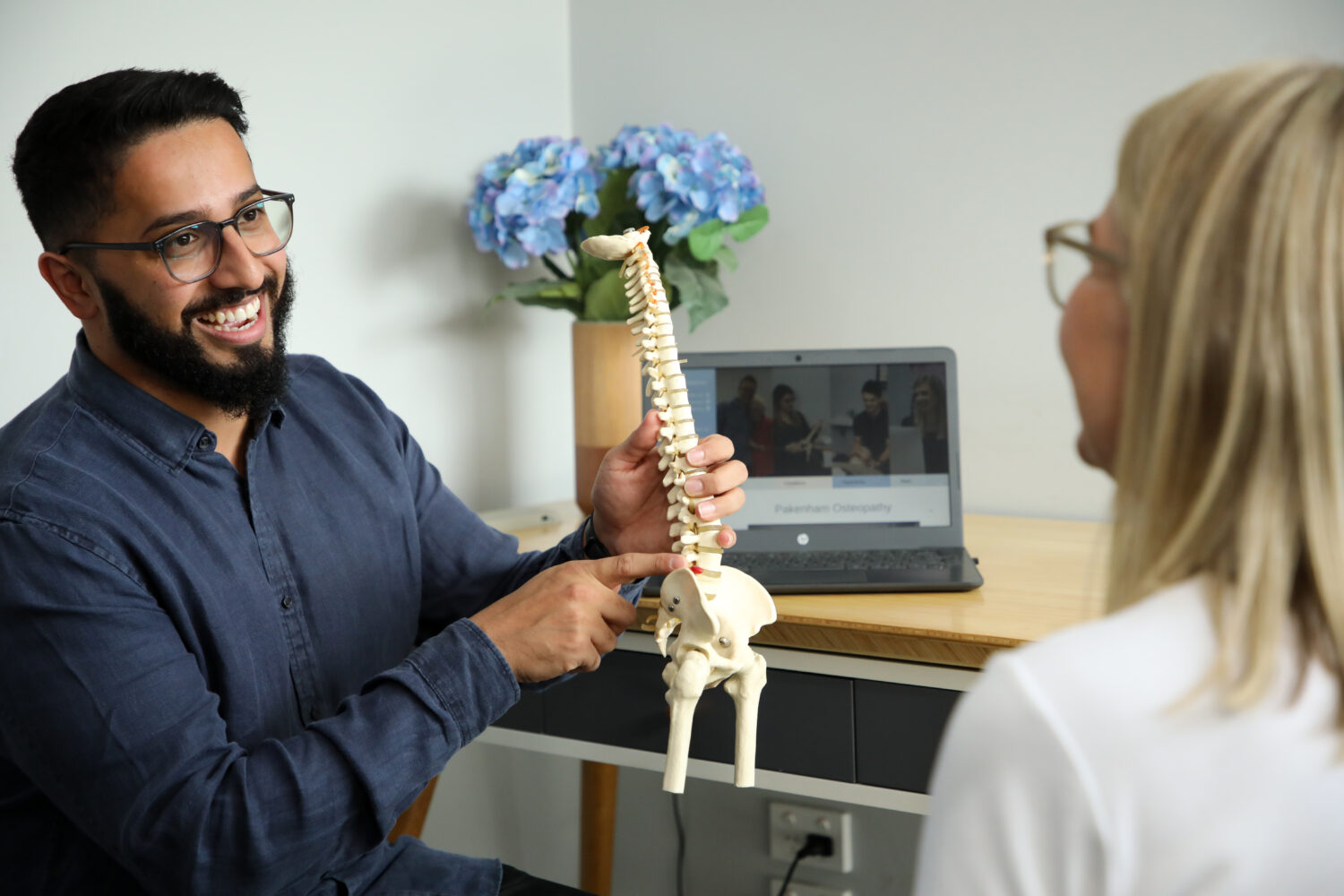
Tendons and ligaments may be small, but they are vital to pain-free movement and joint health. Whether you’re recovering from an injury or managing chronic pain, osteopathic care can play a valuable role in helping you return to your best function. If you’re experiencing joint instability, stiffness, or persistent discomfort, don’t ignore the signs, book an assessment with us here at Pakenham osteopathy.
If you have any questions, please feel free to email me directly: ammar@pakenhamosteopathy.com.au