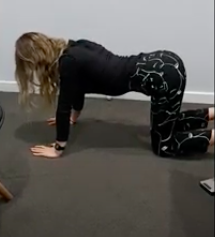
One of the most common issues we see in both new and seasoned exercisers is Patellofemoral Pain Syndrome (PFPS), also known as Runner’s Knee or Jumper’s Knee. If you’ve ever felt a nagging pain at the front of your knee especially during activities like squatting, climbing stairs, or getting up from a chair you might be dealing with Patellofemoral Pain Syndrome (PFPS).
Despite its athletic sounding nicknames, PFPS isn’t just for runners or jumpers. It’s one of the most common causes of knee pain, affecting both active and inactive people.
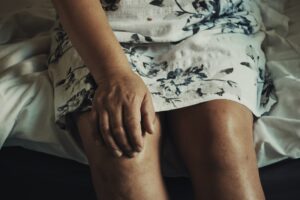 What Does PFPS Feel Like?
PFPS is a broad term for pain around or behind the kneecap. It’s typically felt when doing things like, walking up or down stairs, squatting, sitting for long periods, getting up from a chair, returning to sports or training after a break. Sometimes, even subtle changes like switching footwear, training on a different surface, or adjusting your workout technique can trigger symptoms.
It often stems from overuse, muscle imbalances, or sudden increases in activity like jumping headfirst into a new workout routine after months of inactivity. Other factors that can contribute include, poor lower limb biomechanics, weak hip or core muscles, inappropriate footwear, uneven or hard training surfaces, poor technique during exercise.
What’s Actually Happening in the Knee?
The kneecap is designed to glide smoothly within a groove at the end of your thigh bone. This movement is controlled by your quadriceps, particularly two muscles, one that pulls the patella up and out and the other that pulls it inward and slightly upward. If one of these muscles are weak or not activating properly, the stronger one can dominate, pulling the patella off track. Add a tight iliotibial band (ITB) or weak hip stabilisers into the mix, and you’ve got a recipe for irritation, poor tracking, and pain.
Management
The good news is PFPS responds very well to the right care. If you’re starting to feel that familiar ache, below are some things you can do at home – The POLICE Method:
 How Osteopathy May Help?
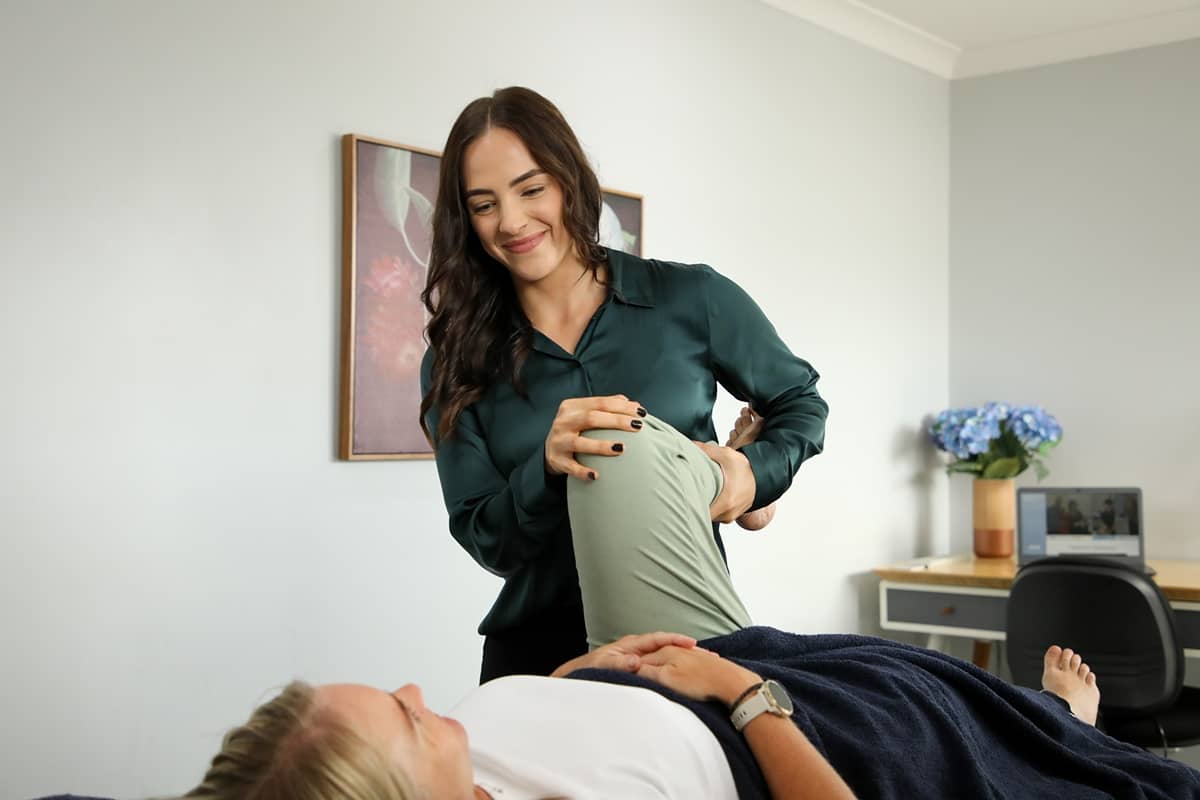 How Osteopathy May Help?
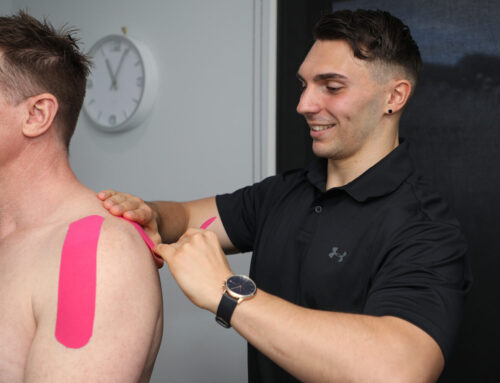
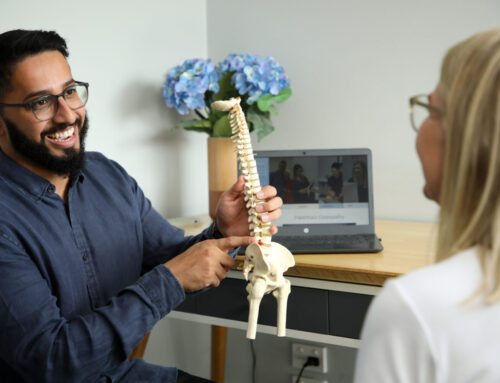
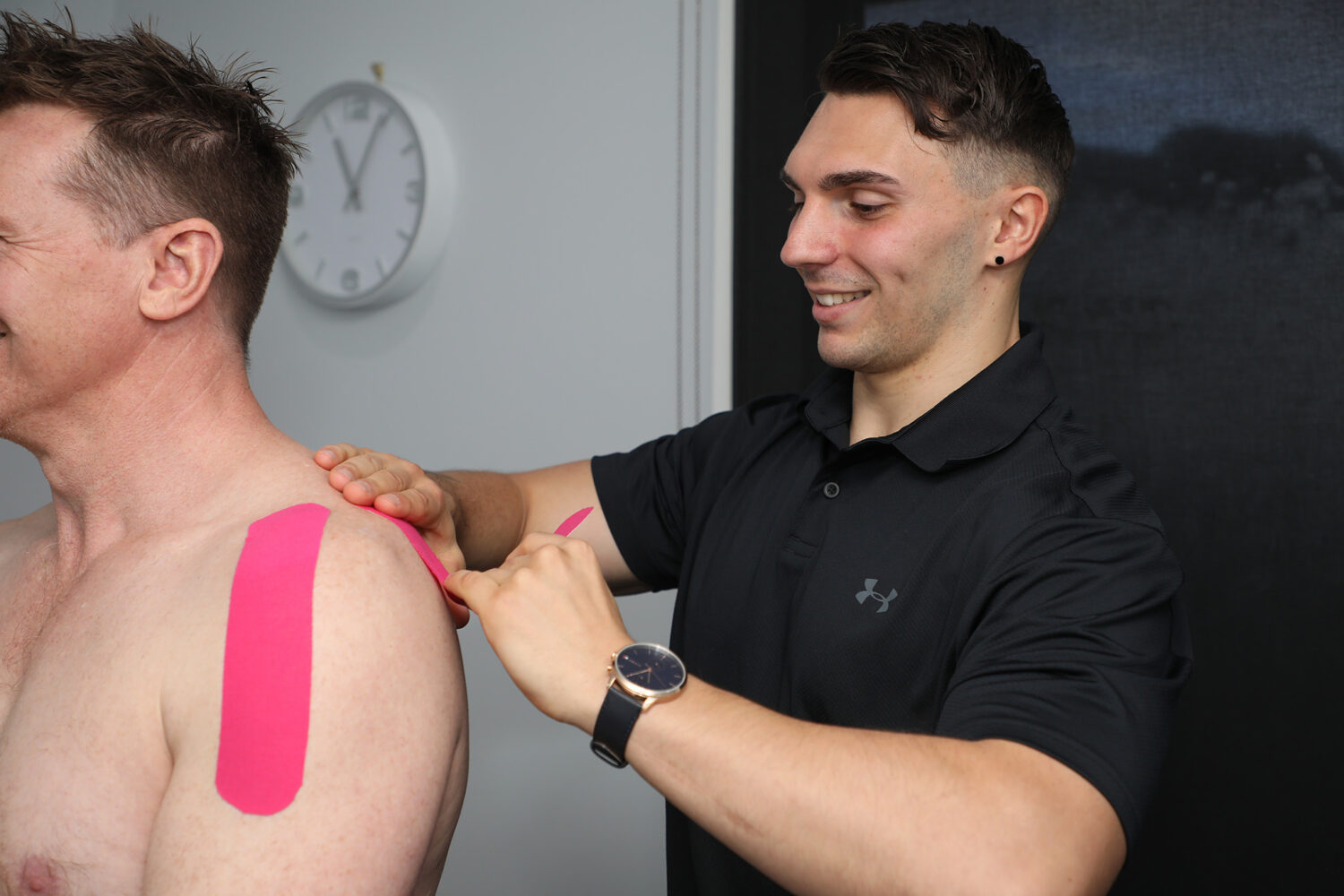
As Osteopaths, we do more than just treat the knee, to help prevent PFPS from developing (or coming back), we look at your whole kinetic chain looking at all the surrounding joints of the lower limb. This is because your knee often suffers from problems that originate elsewhere. Therefore treatment may include hands-on manual therapy to release tight structures, targeted rehab exercises to build strength and restore balance, movement retraining and education, advice on shoes, orthotics, taping, and injury prevention.
If your PFPS stems from poor technique or a sudden training spike, we’ll help you rework your program so you can keep moving safely and confidently. LASER therapy which is a brand new, cutting-edge technology for the treatment of acute musculoskeletal pain. It helps by blocking pain receptors, reducing inflammation and kickstarting the healing process. Here at Pakenham Osteopathy, we can also choose to treat you with Shockwave therapy which is a treatment that uses high-energy acoustic waves to stimulate tissue regeneration and promote healing in musculoskeletal conditions, particularly for chronic pain and injuries.
Prevention Is Always Better Than Cure!
Whether you’re training for a marathon or just want to keep up with children, your knees deserve attention and care. If you’re feeling pain, don’t wait for it to get worse. Book an appointment today we’ll assess what’s going on and get you back on track with a tailored treatment and rehab plan. If you have any questions about your knee pain, please feel free to reach out to me directly: alessia@pakenhamosteopathy.com.au