Pregnancy is a time that includes a lot of physical and emotional change, as a woman’s body adapts to nurture and support new life. Throughout this journey, the body undergoes shifts in the centre of gravity through to changes in posture and walking patterns. While these changes are natural, they often bring with them physical discomforts such as back pain, pelvic pain, and difficulty sleeping.
 How Common Is Pain During Pregnancy?
Pelvic girdle pain (PGP) is particularly common during pregnancy, affecting approximately one in four women. Around 60% of pregnant women experience mild to moderate levels of discomfort, while about 20% report more severe pain. For some, the effects of PGP persists even after childbirth, with one in ten women continuing to experience symptoms postpartum. Osteopathy, a holistic form of healthcare, recognises and can treat the close connection between the body’s structure and its function, and can provide significant relief during pregnancy.
What Pregnancy Pain Do Osteopaths Treat?
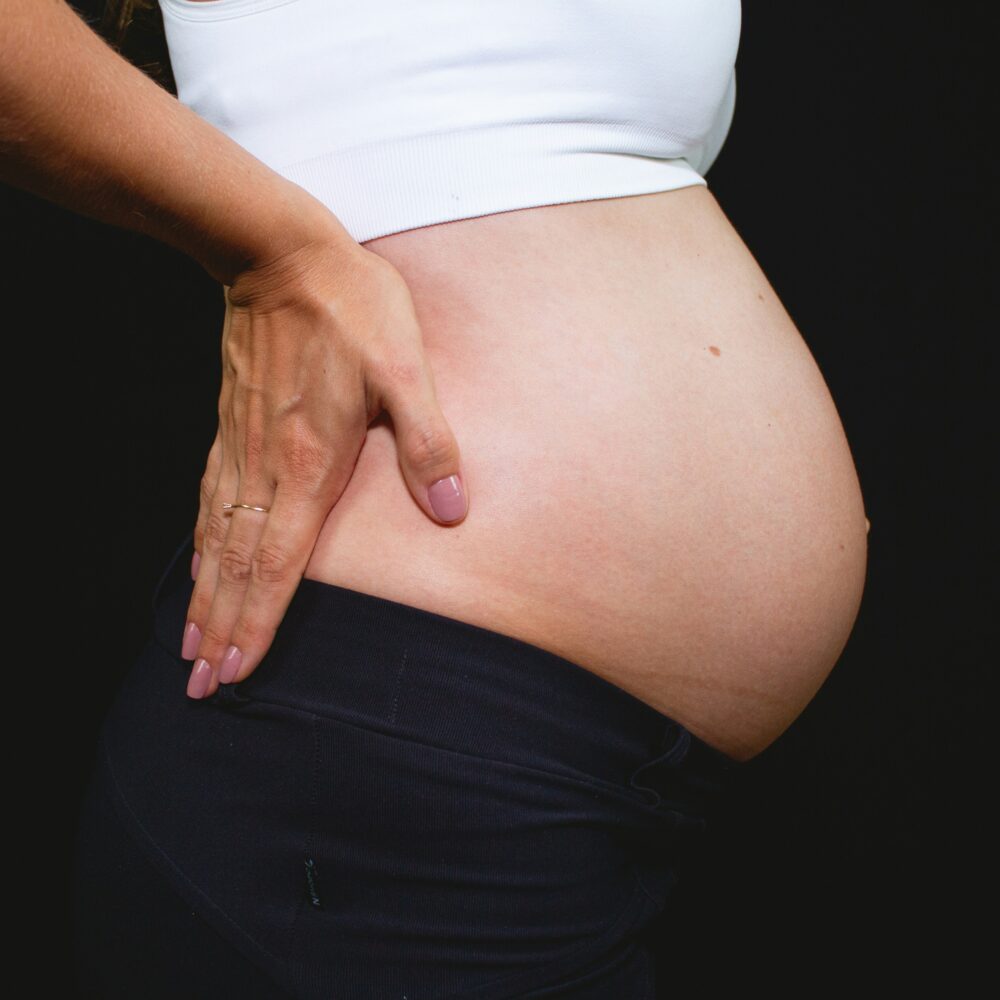
Photo by João Paulo de Souza Oliveira on Unsplash
Some of the various musculoskeletal issues Osteopaths commonly treat include the following:
- Lower back pain: Caused by postural changes, increased lumbar curvature, and weight gain.
- Pelvic girdle pain (PGP): Includes discomfort in the sacroiliac joints and pubic symphysis, often triggered by hormonal changes and the pressure of the expanding uterus.
- Sciatica and pudendal neuralgia: Sharp, shooting pain radiating from the lower back down one leg, sometimes accompanied by tingling or numbness.
- Hip pain: Results from changes in weight distribution and ligament laxity, putting strain on the hip joints.
- Shoulder and neck pain: Caused by altered posture, particularly from carrying additional weight in the front.
- Knee pain: Increased weight and changes in gait can put additional strain on the knees.
- Carpal tunnel syndrome: Caused by fluid retention and nerve compression in the wrists.
What Role Can Osteopathy Play In Pregnancy?
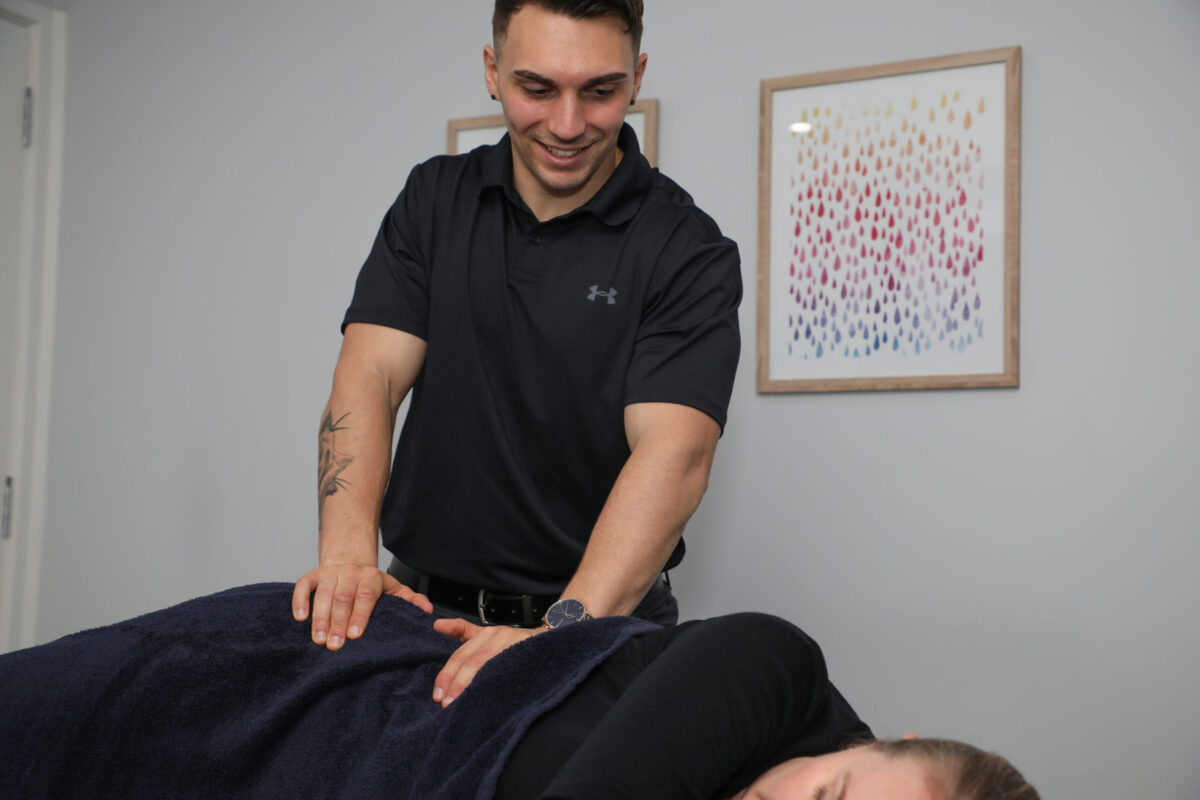 Osteopathy offers treatment for many of the common discomforts experienced during pregnancy by focusing on the body’s structure and how it functions. Osteopathic techniques, such as gentle manipulation (moving joints) and stretching help improve posture, reduce muscle tension, and relieve pressure on joints. This can be particularly beneficial for issues like back pain, pelvic girdle pain, and sciatica. By targeting areas of discomfort, with soft tissue and muscle energy techniques, osteopaths can help restore balance to the body, ease strain on the muscles and ligaments, and alleviate nerve compression.
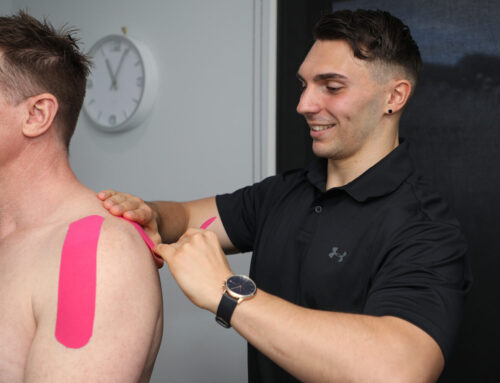
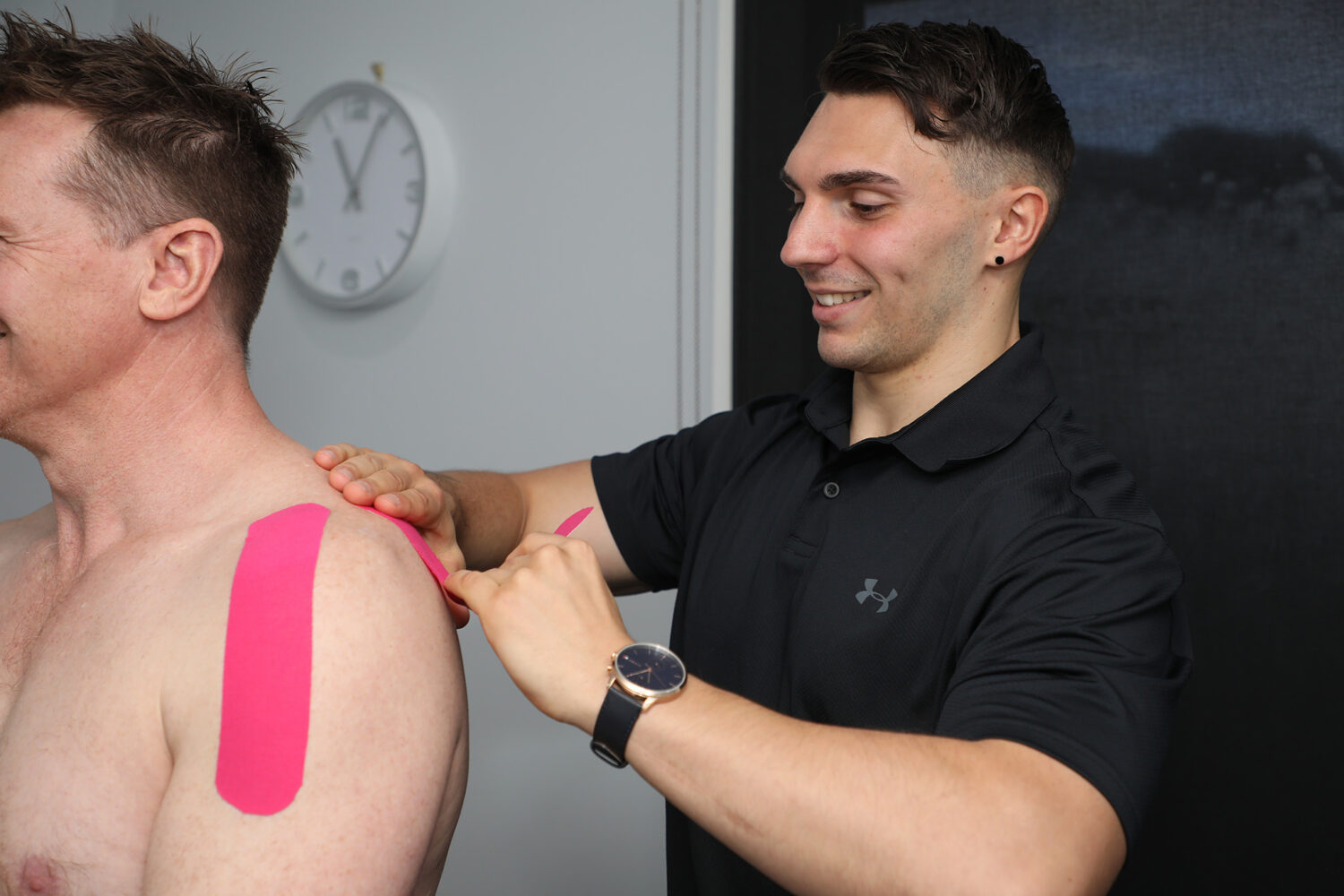
For conditions like carpal tunnel syndrome, osteopathic care can reduce swelling and improve circulation, while also supporting the body in adjusting to its changing weight distribution. Osteopaths can also offer exercises and techniques to strengthen and maintain the health of the pelvic floor muscles which is important for the growing uterus and postpartum. In addition to hands on treatment, osteopaths also provide valuable advice on posture, ergonomics, safe exercises, and taping or bracing options, helping pregnant women manage discomfort and prevent further strain during daily activities.
Final Message
Every woman’s pain and pregnancy is different and everyone has different goals they aspire to achieve. Through personalised treatment plans, osteopathy provides relief from pain and discomfort, helping expectant mothers feel more comfortable and maintain better mobility throughout their pregnancy. Please feel free to reach out to me directly via email alessia@pakenhamosteopathy.com.au or if click here if you’d like to book online, or calll us on 5941-4157.