Temporomandibular disorder (TMD) is a condition affecting the jaw joint (temporomandibular joint or TMJ) and the surrounding muscles. While many people associate TMD with jaw pain and difficulty chewing, it is also closely linked to neck pain and headaches. This is due to the interconnected nature of the musculoskeletal system, where dysfunction in one area can create imbalances in others. Osteopathy may provide a non-invasive approach to managing TMD, reducing associated neck pain and headaches, and restoring normal function.
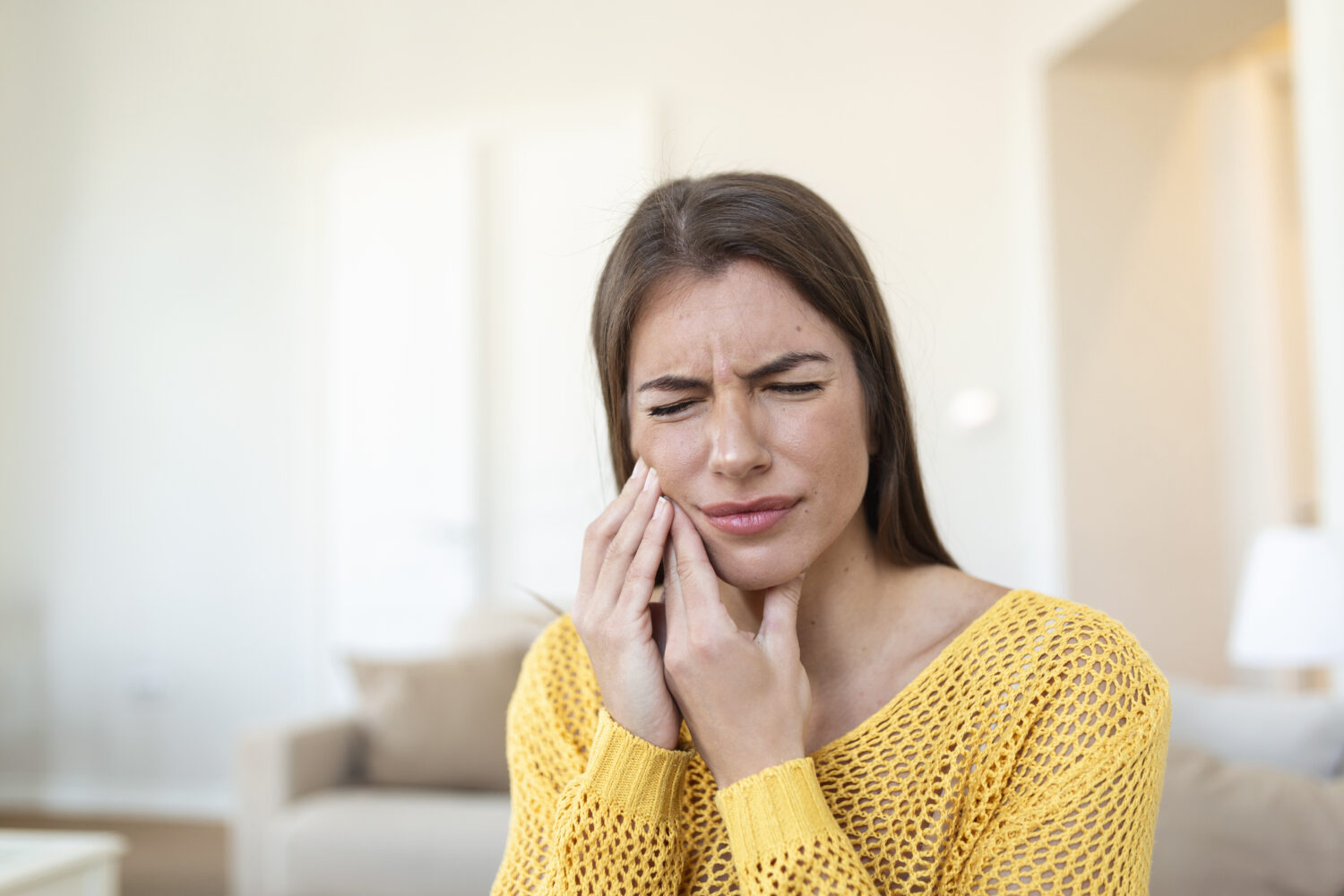
Image by stefamerpik on Freepik
How are TMD, Neck Pain, and Headaches connected?
The temporomandibular joint (TMJ) plays a crucial role in jaw movement and is directly linked to the cervical spine (commonly referred to as the neck) through muscles and nerves. Dysfunction in the TMJ can lead to muscle imbalances, tension, and misalignment, affecting the neck and contributing to headaches. Some key ways these conditions are connected include:
- Muscular Tension: The jaw, neck, and head share common muscle groups, such as the masseter, temporalis, and sternocleidomastoid. If the TMJ is not functioning properly, excessive tension can spread to the neck and cause headaches.
- Postural Strain: Forward head posture (often caused by prolonged screen use) can strain the TMJ and neck, leading to pain and discomfort.
- Nerve Irritation: The trigeminal nerve, which supplies sensation to the face and jaw, is linked to headache development when irritated by TMJ dysfunction.
- Bruxism (Teeth Grinding): Grinding or clenching the teeth places excessive stress on the TMJ, leading to muscle fatigue and pain that radiates to the neck and head.
What are the different types of TMD?
TMD can be categorized into three main types, each affecting the jaw differently:
- Myofascial Pain (Muscle-Related TMD)
- The most common type of TMD, caused by muscle tension and overuse.
- Often linked to stress, bruxism (teeth grinding), and poor posture.
- Internal Derangement (Joint-Related TMD)
- Involves displacement of the TMJ disc, leading to clicking, locking, or restricted jaw movement.
- Can result from trauma, arthritis, or jaw misalignment.
- Degenerative Joint Disease
- Wear and tear of the joint cartilage leads to inflammation, pain, and reduced mobility.
- More common in older adults or those with pre-existing joint conditions.

What are the Signs and Symptoms?
Individuals experiencing TMD-related issues may notice:
- Jaw pain, clicking, or popping sounds when chewing or opening the mouth.
- Neck stiffness and tension, particularly at the base of the skull.
- Frequent headaches, including tension headaches or migraines.
- Ear pain or ringing (tinnitus) without signs of infection.
- Difficulty fully opening or closing the mouth.
What treatment options may Osteopaths provide?
 Osteopathy takes a holistic approach to treating TMD, neck pain, and headaches by addressing muscular imbalances, joint restrictions, and postural dysfunctions. Treatments include:
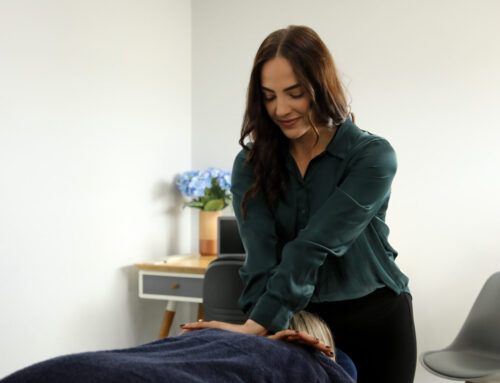
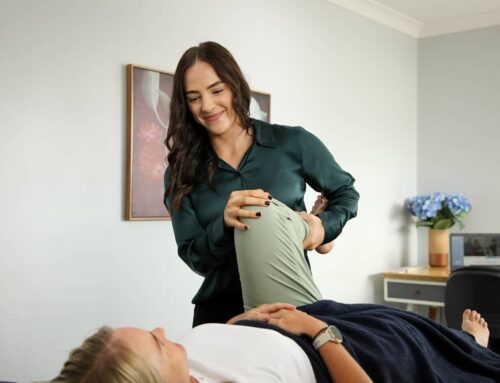
- Manual Osteopathic Techniques
- Joint Mobilization Techniques: Gentle techniques to improve movement and alignment of the jaw and neck joints.
- Soft Tissue Therapy: Massage and myofascial release to reduce muscle tension in the jaw, neck, and shoulders.
- Shockwave Therapy
- Stimulates healing in overused or tight jaw and neck muscles.
- Helps break down scar tissue and adhesions contributing to chronic pain.
- Laser Therapy
- Reduces inflammation and promotes tissue repair in the TMJ and neck muscles.
- Provides pain relief by improving circulation and cellular function.
- Dry Needling
- Targets trigger points in tight jaw and neck muscles, relieving pain and improving mobility.
- Helps reduce bruxism-related muscle spasms.
What can I do to make it better?
Alongside osteopathic treatment, lifestyle changes can help prevent and manage symptoms:
- Jaw Relaxation Exercises: Helps reduce clenching and improve TMJ mobility.
- Postural Awareness: Maintaining proper head and neck alignment reduces strain on the TMJ.
- Stress Management: Techniques like deep breathing and mindfulness can help reduce jaw clenching.
- Dietary Modifications: Avoiding hard or chewy foods can reduce strain on the jaw.

Ammar Khan Osteopath
Final Takeaway
TMD, neck pain, and headaches are often interconnected due to shared muscular and nerve pathways. Here at Pakenham Osteopathy we offer a comprehensive treatment approach by relieving muscle tension, improving joint mobility, and addressing postural imbalances. Through manual therapy techniques, shockwave therapy, laser therapy, and dry needling, osteopaths can help individuals find lasting relief and restore proper function to the jaw, neck, and head.
If you have any questions, please feel free to email me directly: ammar@pakenhamosteopathy.com.au Or if you’d like to make an appointment, please call 5941-4157 or book online here.